The Evolution of Tiles: From Timeless Heritage to Modern Luxury Interiors
Tiles have been an essential part of architecture and interior design for centuries. From the beautifully detailed patterns found in historic palaces to the elegant surfaces used in contemporary luxury homes, tiles have continuously evolved with changing architectural styles, technology and design preferences.
Today, tiles are much more than functional flooring materials. They are an important element of interior decoration, helping homeowners, architects and designers express their creativity through colours, textures, patterns and finishes.
Whether you appreciate traditional craftsmanship, vintage-inspired interiors or contemporary minimalism, choosing the right tiles can completely transform the appearance of your space.
At HEMNIL Tiles Studio, Bangalore, we believe that every surface has a story to tell. Let’s explore how tile designs have evolved through different eras and how you can incorporate these timeless styles into modern interiors.
1. Ancient Architecture: The Beginning of Decorative Tiles
The history of decorative tiles goes back thousands of years. Ancient civilisations used decorative surfaces to enhance temples, palaces, courtyards and important architectural structures.
Early tile-making traditions included handmade clay tiles, glazed surfaces, colourful mosaics and intricate geometric patterns.
These designs were not simply decorative. They represented cultural traditions, artistic expression and architectural identity.
For additional historical inspiration, explore the History of Architectural Tiles at the Victoria and Albert Museum.
Key Characteristics of Ancient Tile Designs
- Handmade and handcrafted appearances.
- Natural earthy colours and textures.
- Geometric and symmetrical patterns.
- Decorative mosaic arrangements.
- Intricate artistic detailing.
How to Bring Ancient Inspiration into Modern Homes
You can recreate the charm of traditional architecture by incorporating patterned floor tiles, decorative wall tiles and mosaic surfaces.
These designs work particularly well in entrance areas, courtyards, feature walls and spaces where you want to create a distinctive visual impression.
2. The Renaissance Era: Artistic Patterns and Luxury Finishes
During the Renaissance period, architecture and interior decoration became increasingly expressive. Decorative surfaces were used to communicate sophistication, artistic appreciation and luxury.
Tile designs during this period were influenced by European craftsmanship, classical architecture and intricate ornamental detailing.
Decorative patterns, rich colours and artistic compositions became important features of interior spaces.
Popular Renaissance-Inspired Tile Features
- Detailed ornamental patterns.
- Symmetrical geometric designs.
- Rich blue, green and earthy colour palettes.
- Decorative borders and artistic motifs.
- Marble-inspired surfaces.
Modern Applications
Renaissance-inspired tiles can add elegance to luxury residences, boutique hotels and sophisticated commercial interiors.
Consider using decorative tiles for statement walls, entrance flooring and selected feature areas.
The key is to balance detailed patterns with simpler surfaces to maintain a refined appearance.
3. The Victorian Era: Intricate Patterns and Classic Elegance
Victorian interiors are recognised for their decorative richness, detailed craftsmanship and sophisticated combinations of materials.
Tiles became an important design feature in hallways, kitchens, bathrooms and public spaces.
Patterned flooring, contrasting borders and decorative motifs helped create interiors with distinctive character.
For more information about traditional tile craftsmanship, explore this guide to Victorian and Edwardian Decorative Tiles.
Defining Features of Victorian Tile Designs
- Black-and-white checkerboard patterns.
- Intricate floral and geometric motifs.
- Decorative floor borders.
- Small-format patterned tiles.
- Rich and contrasting colours.
How to Use Victorian Tiles Today
Victorian-inspired designs can create a beautiful appearance in traditional homes as well as contemporary interiors.
Some popular applications include:
- Entrance and foyer flooring.
- Decorative kitchen backsplashes.
- Bathroom feature walls.
- Hallway flooring.
- Accent areas in luxury villas.
Combining vintage patterns with modern furniture and lighting can create an interesting balance between traditional and contemporary design.
You can also explore Vintage Tiles in Bangalore at HEMNIL for more design inspiration.
4. The Art Deco Era: Bold Geometry and Sophisticated Design
The Art Deco movement introduced a new approach to architecture and interior design. It celebrated bold geometric shapes, symmetry, luxurious materials and striking colour combinations.
Tile designs from this period often featured dramatic patterns and visually distinctive arrangements.
Popular Art Deco Tile Styles
- Geometric floor patterns.
- Hexagonal and diamond-shaped designs.
- Black, white and gold combinations.
- Decorative mosaic tiles.
- Glossy and metallic-inspired finishes.
Bringing Art Deco into Contemporary Interiors
Art Deco-inspired tiles can be used to create dramatic feature walls, elegant bathroom spaces and statement flooring.
For a sophisticated look, consider pairing geometric tiles with brass fittings, warm lighting and carefully selected decorative elements.
This style is particularly suitable for homeowners who appreciate bold yet elegant interiors.
5. Mid-Century Design: Simplicity Meets Creativity
The mid-century design movement introduced a more relaxed and practical approach to interiors.
Instead of excessive decoration, designers began exploring simple shapes, functional layouts and playful colour combinations.
Tile designs reflected this change through cleaner patterns, softer colours and versatile formats.
Characteristics of Mid-Century Tile Designs
- Pastel colour combinations.
- Simple square and rectangular formats.
- Checkerboard patterns.
- Minimal decorative detailing.
- Natural and warm colour palettes.
Where to Use Mid-Century Tiles
These designs can work beautifully in kitchens, bathrooms, dining spaces and contemporary residential interiors.
Soft green, blue, beige and neutral tones can help create a welcoming atmosphere without making the interior feel visually crowded.
6. Modern Minimalism: Clean Lines and Large-Format Tiles
Modern interior design has introduced a preference for clean surfaces, uncluttered spaces and carefully coordinated materials.
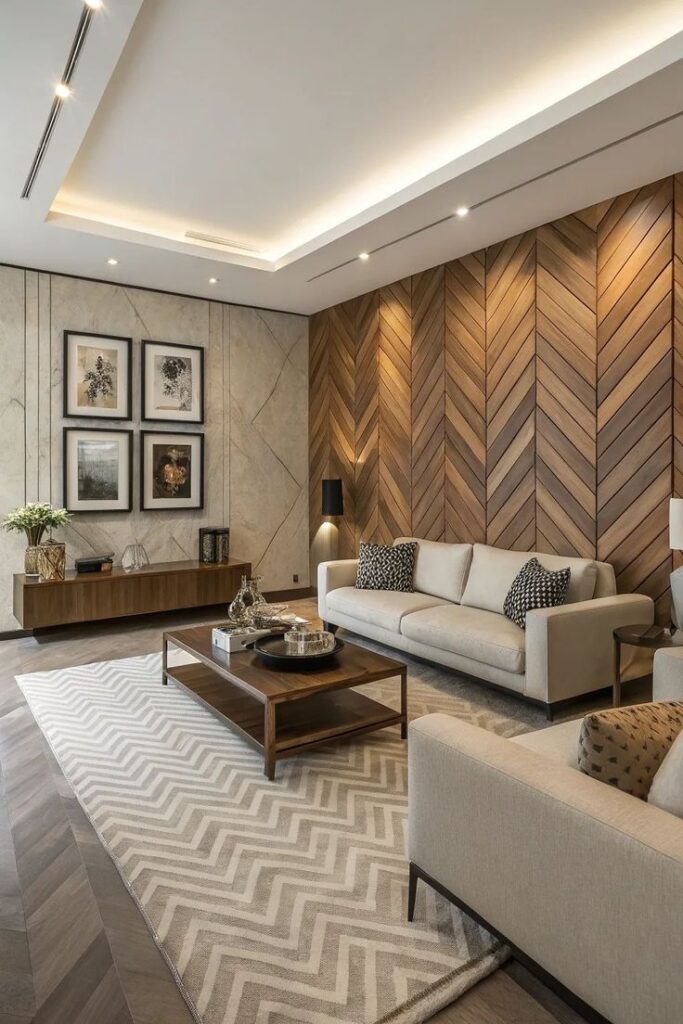
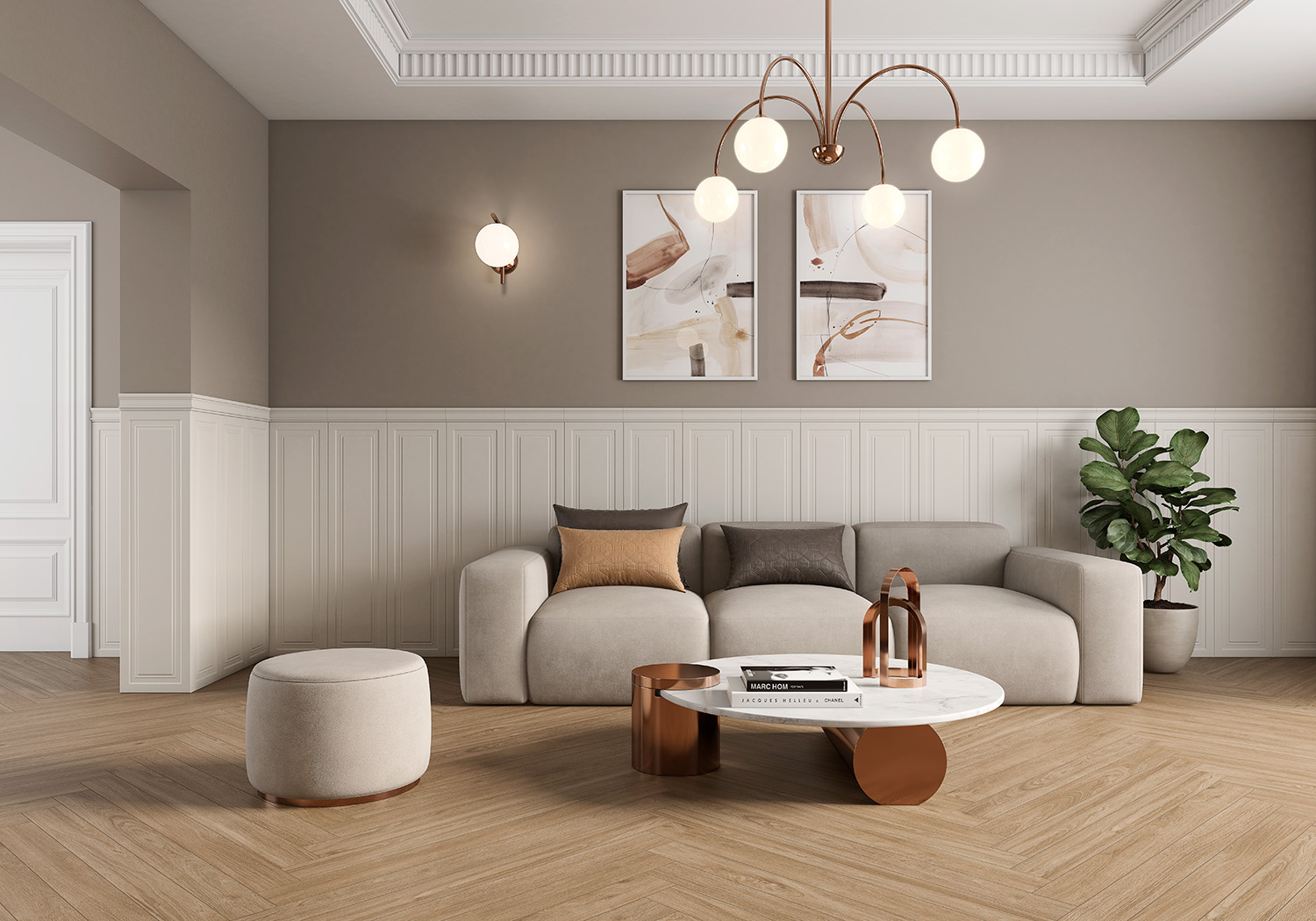
Large-format porcelain and vitrified tiles have become popular choices for contemporary homes because they can create a more continuous visual appearance when properly installed.
Explore Premium and Designer Tiles at HEMNIL to discover different possibilities for contemporary interiors.
Popular Modern Tile Trends
- Large-format floor and wall tiles.
- Marble-look porcelain surfaces.
- Natural stone-inspired textures.
- Neutral shades such as beige, white and grey.
- Matte and polished finishes.
- Minimal grout-line aesthetics.
Why Large-Format Tiles Are Popular
Large-format tiles can make spaces appear more open and visually connected. They also reduce the number of visible grout joints compared with smaller formats.
They can be considered for living rooms, bedrooms, large bathrooms and selected commercial interiors, provided the surface preparation and installation requirements are suitable.
7. The Return of Vintage and Antique Tile Designs
One of the most interesting developments in modern interior design is the renewed appreciation for vintage-inspired surfaces.
Homeowners and designers are increasingly exploring patterns and textures that introduce personality into otherwise contemporary spaces.
Vintage-inspired tiles offer an opportunity to combine traditional aesthetics with modern functionality.
Popular Vintage Tile Styles
Moroccan Tiles
Moroccan-inspired tiles are known for their intricate geometric patterns, artistic detailing and distinctive colour combinations. They can be used for feature walls, kitchen backsplashes and decorative flooring.
Explore Moroccan Tiles in Bangalore for more traditional and decorative tile inspiration.
Mosaic Tiles
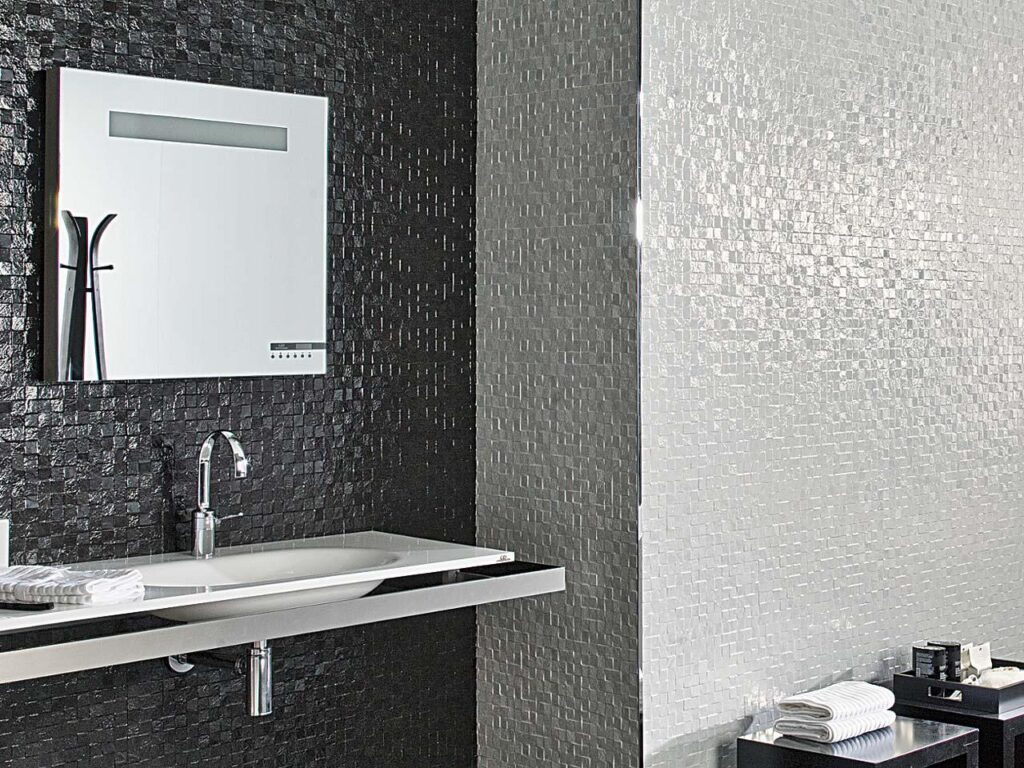
Mosaic tiles bring together smaller individual pieces to create detailed patterns and artistic surfaces. They are suitable for decorative walls, selected bathroom applications and feature areas.
Discover Premium Mosaic Tiles for ideas on incorporating artistic surfaces into modern interiors.
For additional background, read this educational article about the History of Mosaics.
Antique-Inspired Tiles
Antique-inspired designs recreate the visual character of traditional architectural surfaces. Their patterns and finishes can add warmth and individuality to heritage-inspired interiors.
Explore the Antique Tiles Collection in Bangalore at HEMNIL.
Rustic Tiles
Rustic tiles feature natural-looking textures and earthy colours. They can complement traditional homes, outdoor spaces and interiors inspired by natural materials.
Patterned Cement-Look Tiles
Patterned tiles inspired by traditional cement designs can create a distinctive appearance in kitchens, entrances and decorative spaces.
When choosing any of these designs, consider the intended application, surface finish, maintenance requirements and technical specifications.
For further information about maintaining traditional surfaces, refer to Historic England’s Guide to the Care and Conservation of Historic Tiles.
8. How to Combine Vintage and Modern Tiles
You do not have to choose between traditional and contemporary interior styles. Combining elements from different periods can produce a unique and sophisticated result.
Here are some design ideas:
Vintage Flooring with Modern Furniture
Use patterned tiles as a visual highlight and complement them with simple furniture, neutral wall colours and contemporary lighting.
Modern Marble-Look Tiles with Decorative Mosaics
Large-format marble-look tiles can create an elegant foundation, while decorative mosaics introduce texture and artistic detail.
Traditional Patterns with Neutral Colours
Choose a patterned feature surface and balance it with beige, white or grey tiles across the remaining areas.
Textured Surfaces with Minimalist Interiors
Natural stone-inspired and textured tiles can add depth to minimalist spaces without requiring excessive decoration.
9. How to Choose the Right Tiles for Your Home
Before purchasing tiles, it is important to consider both their visual appearance and practical performance.
Here are some important factors:
- Understand the space: Select tiles according to whether they will be used in a living room, kitchen, bedroom, bathroom or outdoor area.
- Choose the appropriate material: Compare ceramic, porcelain, vitrified and other available tile materials according to their intended applications.
- Consider the finish: Polished, matte and textured surfaces offer different appearances and practical characteristics.
- Select suitable colours: Coordinate tile colours with furniture, wall finishes, lighting and other interior materials.
- Check slip resistance: For bathrooms, balconies and other potentially wet areas, pay attention to the product’s slip-resistance specifications.
- Evaluate maintenance: Consider cleaning requirements and long-term maintenance before selecting decorative surfaces.
- Plan the installation: Confirm tile dimensions, substrate suitability, adhesive requirements, grout joints and installation methods.
Taking time to compare samples and specifications can help you make a more informed decision.
10. Discover Timeless Tile Designs at HEMNIL Tiles Studio, Bangalore
The evolution of tiles demonstrates how traditional craftsmanship and contemporary technology continue to influence interior design.
From antique-inspired patterns and decorative mosaics to sophisticated marble-look surfaces and modern large-format tiles, every design offers a different way to express your personality.
At HEMNIL Tiles Studio, we bring together carefully selected tile collections and distinctive interior surface solutions for homeowners, architects and interior designers.
Our collection includes:
- Premium and designer floor and wall tiles.
- Vintage-inspired and decorative tile designs.
- Mosaic surfaces.
- Marble-look and natural stone-inspired tiles.
- Wallpapers and decorative wall coverings.
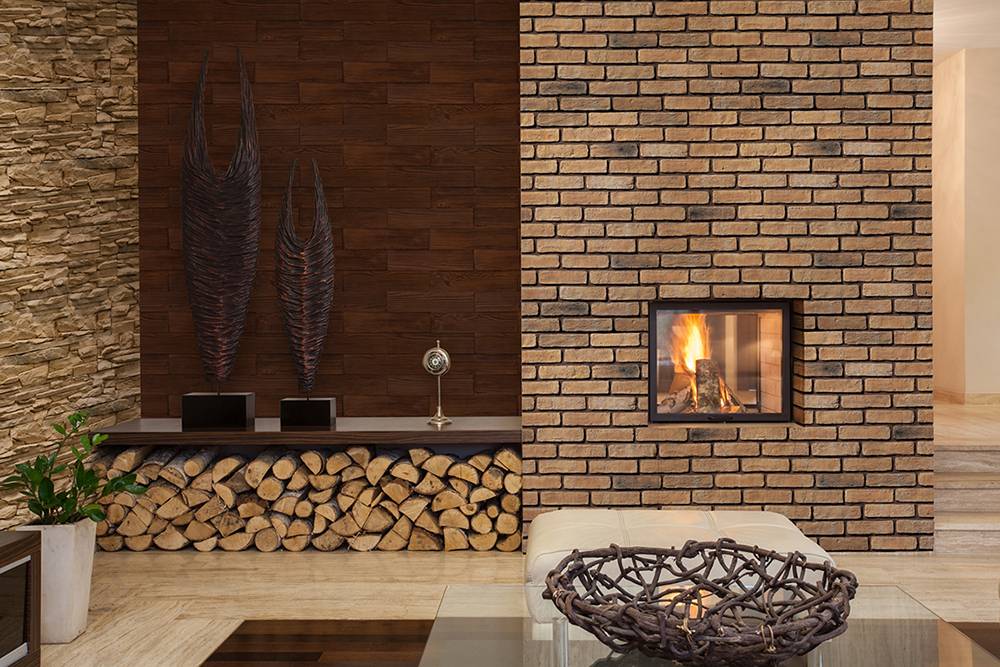
- Cladding and bricks.
- Glass blocks.
- Designer washbasins.
Explore all our HEMNIL Products and Collections to discover more interior surface solutions.
Whether you are designing a luxury residence, renovating an existing home or planning a commercial project, exploring different tile styles can help you discover the right materials for your vision.
Visit HEMNIL Tiles Studio
Explore premium and designer tile collections at HEMNIL Tiles Studio, Bangalore.
Address: #7/21, Ground Floor, Sankey Road, Lower Palace Orchards, Sadashivanagar, Bengaluru – 560003, India.
Phone: +91 9148373070
Website: https://www.hemnil.com/
Discover. Curate. Create.
Transform ordinary surfaces into distinctive design statements with HEMNIL Tiles Studio.
For collection enquiries and showroom assistance, Contact HEMNIL Tiles Studio.
Frequently Asked Questions
1. What are vintage tiles?
Vintage tiles are designs inspired by traditional architectural styles and historical decorative patterns. They often feature geometric motifs, floral patterns, decorative borders and distinctive colour combinations.
2. Are vintage tiles suitable for modern homes?
Yes. Vintage-inspired tiles can complement modern interiors when combined with neutral colours, contemporary furniture and simple architectural elements.
3. What are the most popular designer tile styles?
Popular styles include marble-look tiles, geometric patterns, Moroccan-inspired tiles, mosaics, natural stone-inspired surfaces and large-format porcelain tiles.
4. Where can I find vintage tiles in Bangalore?
You can explore designer and decorative tile collections at HEMNIL Tiles Studio in Sadashivanagar, Bangalore. Contact the showroom to enquire about current designs and availability.
5. Are mosaic tiles suitable for decorative walls?
Yes. Mosaic tiles can be used for feature walls, backsplashes and selected interior applications. Always confirm the product specifications and installation requirements.
6. What is the difference between antique and modern tile designs?
Antique-inspired designs generally feature traditional patterns, decorative detailing and heritage-inspired finishes. Modern designs often focus on clean lines, minimal patterns, larger formats and contemporary colours.
7. Which tiles are suitable for luxury interiors?
Marble-look porcelain tiles, natural stone-inspired finishes, decorative mosaics and large-format tiles are popular options. The right selection depends on the room, design concept, technical specifications and budget.
8. How do I select tiles for a luxury home?
Consider the interior theme, room dimensions, colour palette, material, surface finish, lighting and maintenance requirements. Comparing samples before purchasing can help you select suitable designs.
9. Can traditional and contemporary tiles be used together?
Yes. Combining traditional patterned tiles with contemporary neutral surfaces can create visually interesting interiors while maintaining a balanced overall appearance.
10. Why choose HEMNIL Tiles Studio?
HEMNIL Tiles Studio offers curated tile and interior surface collections, including premium tiles, mosaics, wallpapers, cladding and decorative materials. The studio helps homeowners and design professionals explore different surface options for their projects.