Transform Your Space Inside and Out with Brick Tiles
A beautiful space is not defined by furniture and colours alone. The materials used on walls, floors and architectural surfaces play an equally important role in creating a distinctive interior or exterior. Among the many decorative surface options available today, brick tiles stand out for their natural texture, warm appearance and timeless architectural character.
Whether you are designing a contemporary home, renovating an existing property, creating an industrial-style café or upgrading the exterior elevation of a building, brick tiles can introduce depth and visual interest to otherwise ordinary walls.
From rustic exposed-brick feature walls to modern brick cladding designs, these surfaces offer creative possibilities for residential and commercial projects. They can bring warmth to living rooms, character to bedrooms, personality to restaurants and a distinctive appearance to selected exterior walls.
At HEMNIL Tiles Studio, we believe that every surface contributes to the personality of a space. Our curated collections include tiles, cladding and bricks, mosaics, wallpapers and other decorative surface solutions for homeowners, architects and interior designers.
In this guide, explore how brick tiles can transform indoor and outdoor spaces, understand their design possibilities and learn what to consider before selecting them for your project.
What Are Brick Tiles?
Brick tiles are decorative wall-covering products designed to create the appearance of traditional brickwork without necessarily constructing a full brick wall.
Depending on the product, they may be manufactured from clay, ceramic, concrete or other suitable materials. Some brick slips are thin sections cut from actual fired bricks, while other products are manufactured to reproduce the appearance and texture of exposed brick.
Unlike conventional full-size masonry bricks, many brick cladding products are designed primarily as surface finishes for existing walls.
They can be used to create:
- Interior exposed-brick feature walls.
- Exterior decorative wall cladding.
- Living room accent walls.
- Bedroom feature walls.
- Restaurant and café interiors.
- Commercial reception areas.
- Selected building elevations and facade designs.
The exact suitability depends on the material, product specifications, installation system and intended environment.
Why Are Brick Tiles Popular in Modern Architecture?
Brick-inspired surfaces have remained popular because they combine traditional architectural character with contemporary design possibilities.
Here are some reasons designers and homeowners consider brick tiles.
1. Timeless Architectural Appearance
Brick has a long association with architecture and construction. Its distinctive colour variations, visible joints and textured appearance can give spaces a sense of character.
Brick tiles allow designers to introduce this traditional aesthetic into modern apartments, independent houses, offices and hospitality interiors.
2. Natural Texture and Visual Depth
Smooth painted walls can sometimes feel visually flat. Brick tiles introduce texture, shadows and surface variation, creating a more interesting focal point.
They can be especially effective behind a living room sofa, around a reception area or on a selected exterior wall.
3. Versatile Design Possibilities
Brick surfaces can complement several interior styles, including:
- Industrial interiors.
- Rustic homes.
- Contemporary residences.
- Vintage-inspired spaces.
- Modern cafés and restaurants.
- Minimalist commercial interiors.
The final appearance depends on the brick colour, texture, joint design, surrounding materials and lighting.
4. Suitable Options for Different Projects
Brick-look wall finishes are available in different materials and formats. Depending on their specifications, selected products may be suitable for indoor feature walls or exterior applications.
Always check the manufacturer’s recommendations before using a particular product outdoors or in a moisture-exposed location.
Transform Your Indoor Spaces with Brick Tiles
One of the most attractive uses of brick tiles is creating distinctive interior feature walls. Instead of covering every wall with decorative finishes, you can use brick surfaces selectively to create a focal point.
1. Living Room Brick Feature Walls
The living room is often the centre of attention in a home. A brick feature wall can create warmth and personality while complementing contemporary furniture.
Consider these design ideas:
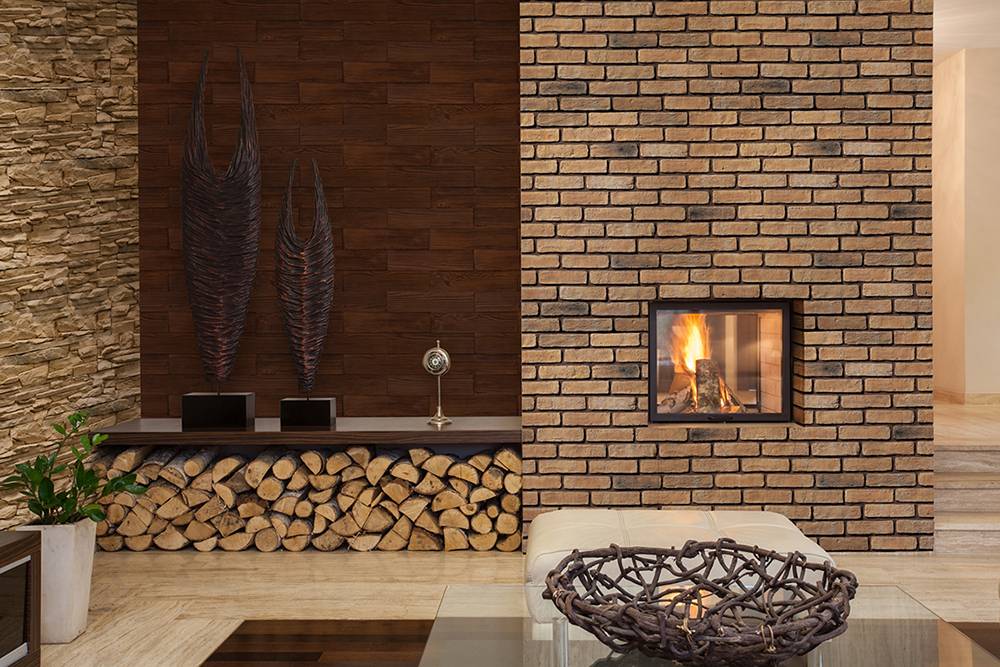
Exposed Red Brick Wall
Traditional red brick finishes can introduce a warm, rustic appearance. They work particularly well with wooden furniture, neutral upholstery and warm lighting.
White Brick Wall
White brick surfaces create a lighter and more understated appearance. They can complement minimalist interiors, Scandinavian-inspired designs and contemporary apartments.
Grey Brick Wall
Grey brick finishes can create a modern industrial atmosphere. They work well with black metal accents, concrete-inspired surfaces and neutral furniture.
Mixed Brick Textures
Different shades and textures can introduce depth into a feature wall. However, use a coordinated palette to prevent the wall from appearing visually crowded.
A brick feature wall behind a television unit, sofa or decorative console can create an attractive focal point.
2. Bedroom Brick Wall Designs
Bedrooms should feel comfortable, personal and relaxing. Brick tiles can add texture without requiring strong decorative colours.
Some ideas include:
- A brick feature wall behind the bed.
- White brick finishes for a soft contemporary appearance.
- Neutral brick textures with wooden furniture.
- Muted grey surfaces for modern bedrooms.
- Warm brick shades combined with soft lighting.
For a balanced design, consider using brick tiles on one selected wall and keeping the remaining surfaces relatively simple.
3. Kitchen Brick Wall Designs
Brick tiles can introduce an interesting design element into kitchen interiors.
A brick-inspired wall may work well in kitchens with:
- Wooden cabinetry.
- Open shelving.
- Matte black fittings.
- Industrial-style lighting.
- Neutral countertops.
However, kitchen locations can experience grease, steam and regular cleaning. Before using a brick product near a cooking area, confirm its cleaning requirements, moisture suitability and whether a suitable protective treatment is recommended.
For a backsplash, select a surface that can be maintained easily and is approved for the intended application.
4. Dining Area Feature Walls
A dining space can benefit from a textured wall that adds warmth and creates a welcoming atmosphere.
Brick finishes can complement wooden dining tables, pendant lights and natural materials.
Consider a brick wall behind a dining console or on the wall adjoining the dining area. Warm lighting can highlight the surface texture and create a comfortable setting.
5. Café and Restaurant Interiors
Brick tiles are a popular design inspiration for hospitality spaces because they can help create a distinctive atmosphere.
Depending on the brand identity, brick surfaces can contribute to:
- Rustic café interiors.
- Industrial restaurant designs.
- Vintage-inspired dining spaces.
- Contemporary coffee shops.
- Casual hospitality environments.
A brick feature wall can also provide an attractive background for signage, artwork and decorative lighting.
For commercial projects, choose products based on the expected traffic, cleaning requirements and relevant fire and building regulations.
6. Office and Commercial Feature Walls
Brick finishes can add personality to selected office and commercial areas.
Potential applications include:
- Reception feature walls.
- Meeting room accent walls.
- Creative studio interiors.
- Retail display backgrounds.
- Lounge and breakout areas.
A carefully selected brick finish can help create an environment that feels distinctive without requiring complicated decorative elements.
Transform Your Exterior Spaces with Brick Cladding
Brick-inspired surfaces can also be considered for selected exterior walls and architectural features.
The exterior of a property creates its first impression. Material selection should therefore balance appearance with weather exposure, moisture management, durability and installation requirements.
1. House Elevation Brick Cladding
A brick-clad section of a building elevation can introduce texture and contrast.
It can complement:
- Modern geometric architecture.
- Neutral exterior paint colours.
- Concrete-inspired finishes.
- Metal and glass elements.
- Natural stone surfaces.
Instead of covering the entire facade, consider using brick cladding on a selected architectural section to create visual contrast.
2. Boundary Wall Designs
Boundary walls are often overlooked during exterior design. Brick cladding can help turn them into an attractive architectural feature.
Possible design approaches include:
- Rustic red brick finishes.
- Neutral brick textures.
- Brick and stone combinations.
- Contemporary grey brick surfaces.
- Brick accents with landscape lighting.
Select products specifically approved for exterior use, and ensure the wall has suitable drainage and moisture protection.
3. Garden and Outdoor Feature Walls
A brick-inspired surface can complement garden landscaping, outdoor seating and selected covered entertainment areas.
Consider combining brick finishes with:
- Natural stone.
- Wooden outdoor furniture.
- Green plants.
- Outdoor lighting.
- Suitable paving materials.
For exposed outdoor areas, confirm the product’s weather resistance, water absorption, installation method and maintenance recommendations.
4. Commercial Building Facades
Brick cladding can introduce a distinctive identity to selected commercial buildings.
It may be considered for:
- Retail storefronts.
- Restaurant exteriors.
- Office buildings.
- Boutique hospitality properties.
- Showroom feature elevations.
For large exterior applications, consult an architect or qualified facade professional to assess substrate condition, fixing systems, structural requirements and local building regulations.
Different Brick Tile Colours and Finishes
Colour and texture have a major influence on the appearance of brick surfaces.
Red Brick Tiles
Red brick finishes are inspired by traditional fired-clay brickwork. They can create a warm, classic and rustic appearance.
They are often considered for industrial interiors, cafés, living room feature walls and selected exterior designs.
White Brick Tiles
White brick finishes provide a brighter, softer appearance. They can complement modern homes, minimalist interiors and Scandinavian-inspired spaces.
Grey Brick Tiles
Grey brick surfaces can create a contemporary industrial aesthetic. They work particularly well with metal accents, concrete finishes and darker furniture.
Brown and Earthy Brick Tiles
Brown and earthy shades can introduce a natural, warm atmosphere. They can complement wooden materials, natural stone and neutral interior palettes.
Rustic Brick Finishes
Rustic surfaces emphasise texture and variation. They can create an aged or traditional appearance, depending on the product design.
Contemporary Brick Finishes
Modern brick-inspired products may feature more consistent dimensions, subtle colours and refined textures. These can suit contemporary architectural projects.
Before finalising a colour, request samples and review them under the actual lighting conditions of the space.
Brick Tiles vs Traditional Brick Walls
Brick tiles and traditional brick masonry can create a similar visual effect, but they are different construction solutions.
| Feature | Brick cladding tiles or slips | Traditional brick masonry |
|---|---|---|
| Main purpose | Decorative surface finish | Masonry construction |
| Application | Usually installed over a suitable wall or substrate | Used to construct a wall |
| Thickness | Generally thinner, depending on product | Full masonry unit thickness |
| Structural role | Normally non-structural | Can be structural or non-structural, depending on design |
| Installation | Adhesive or specified fixing system | Masonry mortar and construction methods |
| Design | Available in different textures and colours | Depends on brick type and masonry pattern |
Brick cladding should not be treated as a replacement for a structural wall. It is generally a finishing material and requires a suitable substrate and installation system.
Important Factors to Consider Before Buying Brick Tiles
Before selecting brick tiles for your home or commercial project, consider the following factors.
1. Intended Application
First decide whether the product will be used indoors or outdoors.
A product suitable for an interior feature wall may not be appropriate for an exposed exterior facade.
2. Material and Specifications
Check the product’s material, dimensions, thickness, water absorption, durability and manufacturer recommendations.
Do not select a product based on appearance alone.
3. Surface Condition
The wall must be suitable for the selected cladding system.
Damp, weak, dusty or unstable surfaces may require repairs or preparation before installation.
4. Colour and Texture
Choose colours and textures that complement the existing architecture and interior materials.
Ask for samples where possible.
5. Installation Method
Brick cladding products may require specific adhesives, mortars, jointing materials or mechanical fixing systems.
Follow the manufacturer’s instructions and use experienced installers.
6. Moisture Management
Exterior walls and moisture-exposed areas require particular attention to waterproofing, drainage and suitable detailing.
Brick cladding does not automatically make an underlying wall waterproof.
7. Maintenance Requirements
Some porous surfaces may require sealing or specific cleaning methods. Ask the supplier about routine care and recommended protective treatments.
8. Quantity and Wastage
Measure the wall accurately and consider additional material for cuts, corners, pattern alignment and future repairs.
Confirm the quantity with your installer before ordering.
How to Maintain Brick Cladding Tiles
Proper maintenance can help preserve the appearance of brick surfaces.
Here are some useful tips:
- Remove loose dust using a suitable soft brush or vacuum attachment.
- Follow the manufacturer’s cleaning instructions.
- Avoid harsh chemicals unless specifically recommended.
- Check grout and joints periodically for damage.
- Inspect exterior walls for signs of moisture penetration.
- Repair damaged joints or loose sections promptly.
- Use a suitable sealer only when recommended for the particular material.
For exterior applications, investigate and correct the source of any dampness before attempting surface repairs.
Why Explore Brick Cladding and Surface Collections at HEMNIL Tiles Studio?
Selecting the right wall finish is an important part of creating a well-designed space. Whether you are planning a small interior feature wall or a larger architectural project, exploring different materials can help you identify the right design direction.
HEMNIL Tiles Studio offers curated surface collections for homeowners, architects, interior designers and commercial projects in Bangalore.
The website features product categories including:
- Floor and wall tiles.
- Cladding and bricks.
- Wallpaper and murals.
- Decorative mosaics.
- Glass blocks.
- Metal pencil trims.
- Washbasins.
The Cladding and Bricks category is particularly relevant when exploring brick-inspired architectural finishes.
At HEMNIL, the focus is on helping clients discover distinctive surface designs, textures, colours and finishes for residential, hospitality and commercial spaces.
Explore the HEMNIL Products Collection and enquire about available cladding and brick options for your project.
Conclusion: Give Your Walls a Distinctive Character with Brick Tiles
Brick tiles offer an interesting way to introduce texture, warmth and architectural character into modern spaces.
From living room feature walls and bedroom accents to restaurant interiors, building elevations and outdoor walls, brick-inspired finishes can complement a wide range of design styles.
The right selection depends on the intended application, material specifications, colour, texture, installation method and maintenance requirements.
Whether you prefer traditional red brick, subtle white finishes, contemporary grey surfaces or rustic textures, take time to compare samples and understand the technical requirements before making your decision.
If you are planning a residential or commercial project in Bangalore, explore the cladding and brick collections at HEMNIL Tiles Studio.
Discover distinctive surfaces. Create spaces with character.
Visit: https://www.hemnil.com/products/
HEMNIL Tiles Studio
#7/21, Ground Floor, Sankey Road, Lower Palace Orchards, Sadashivanagar, Bengaluru – 560003, India.
Phone: +91 9148373070
Email: hemnilstudio@gmail.com
Frequently Asked Questions About Brick Tiles
1. What are brick tiles?
Brick tiles are decorative wall-covering products designed to create the appearance of traditional brickwork. Depending on the product, they may be made from clay, ceramic, concrete or thin sections of fired brick.
2. Can brick tiles be used for interior walls?
Yes, products designed for interior applications can be used for living room feature walls, bedrooms, dining areas, cafés, offices and other suitable interior spaces.
3. Can brick tiles be used on exterior walls?
Some brick cladding products are designed for exterior applications. Check the manufacturer’s specifications for weather resistance, moisture suitability, fixing requirements and maintenance before installation.
4. Are brick cladding tiles structural?
No. Decorative brick cladding is generally a non-structural surface finish. It does not replace a structural masonry wall.
5. Are brick tiles suitable for living room feature walls?
Yes. Brick-inspired surfaces can create attractive feature walls behind television units, sofas and other selected living room areas.
6. Which brick tile colour is best for modern interiors?
White, grey, beige and muted earthy shades are popular choices for contemporary interiors. Red and rustic brick finishes can create a warmer industrial or traditional appearance.
7. Do brick tiles require maintenance?
Maintenance depends on the material and surface finish. Regular dust removal, appropriate cleaning and periodic inspection of joints are useful. Some porous products may require a suitable sealer.
8. Can brick tiles be installed over existing walls?
Some brick cladding products can be installed over suitable existing wall surfaces. However, the substrate must be stable, clean, properly prepared and compatible with the recommended fixing system.
9. Are brick tiles suitable for restaurants and commercial spaces?
Selected brick cladding products can be used for restaurant, café, retail and office feature walls. Check the product’s suitability for commercial use and any relevant fire, hygiene and building requirements.
10. Where can I explore cladding and brick collections in Bangalore?
You can explore HEMNIL Tiles Studio’s product categories at https://www.hemnil.com/products/ and contact the team to enquire about available cladding and brick options.