Find Your Perfect Match: How to Choose the Right Tiles for Your Space
Choosing the right tiles is one of the most important decisions when designing or renovating a home. Tiles influence the appearance, comfort, functionality and overall character of an interior. From elegant living room flooring and stylish kitchen backsplashes to beautiful bathroom walls and decorative feature surfaces, the right tile selection can transform an ordinary space into something special.
However, with so many colours, patterns, materials, sizes and finishes available, finding the perfect tiles can feel overwhelming. Should you choose marble-look tiles for your living room? Are porcelain tiles suitable for bathrooms? Would wood-finish tiles complement your bedroom? Which surface finish is practical for a kitchen or outdoor area?
The secret is to select tiles according to the purpose of each room, your interior design preferences, maintenance expectations and project requirements.
At HEMNIL Tiles Studio, we believe tiles are more than just finishing materials. They are an important part of architectural design and personal expression. Our curated collections include premium and designer tiles, porcelain surfaces, mosaics, wallpapers and other decorative materials to help homeowners, architects and interior designers explore distinctive interior possibilities.
In this guide, discover how to choose the right tiles for different spaces and create interiors that combine beauty, practicality and timeless appeal.
1. Understand Your Space Before Choosing Tiles
Before exploring tile colours and patterns, understand the requirements of the area where you plan to install them.
Every room has different functional needs. A living room may require a durable and visually appealing floor, while a bathroom needs suitable moisture management and slip-resistant flooring. A kitchen requires surfaces that can be cleaned easily, and a bedroom may benefit from warm, comfortable-looking finishes.
Consider these factors before purchasing tiles:
- Room purpose: Decide whether the tiles are intended for flooring, walls, backsplashes or decorative applications.
- Foot traffic: Consider how frequently the area will be used and how much wear the surface may experience.
- Moisture exposure: Bathrooms, balconies and kitchens may require products with specific moisture-related performance characteristics.
- Maintenance: Consider how easily the surface can be cleaned and maintained.
- Interior design: Coordinate the tile colour, pattern and finish with furniture, lighting, wall colours and other materials.
- Budget: Consider the tile price, installation, adhesive, grout, transportation and additional finishing costs.
A little planning before purchasing can help you avoid unnecessary expenses and make a more informed decision.
2. Choose the Right Tiles for Every Room
One of the best ways to find suitable tiles is to select them according to the specific requirements of each room.
Living Room Tiles – Create an Elegant First Impression
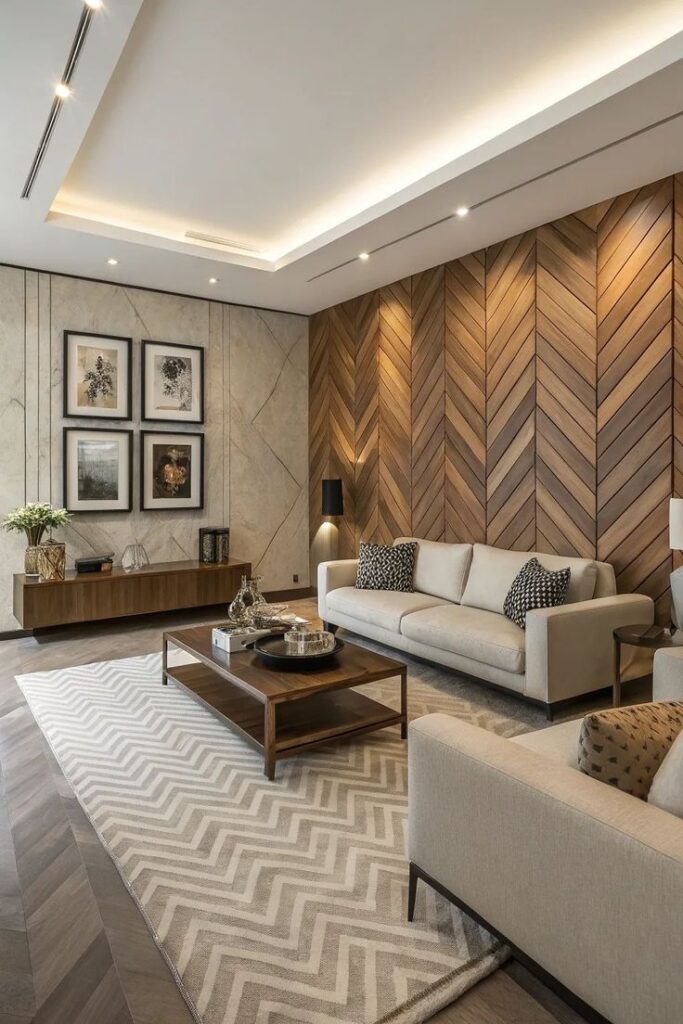
The living room is often the centre of a home. It is where family members spend time together and guests are welcomed. Therefore, flooring should complement the overall interior design while meeting everyday usage requirements.
Some popular living room tile options include:
Marble-Finish Tiles
Marble-look tiles can create an elegant and sophisticated atmosphere. Their natural stone-inspired patterns complement contemporary, modern and classic interiors.
Large-Format Tiles
Large-format tiles can create a more continuous appearance with fewer grout lines. They are particularly popular in spacious living areas and modern interiors. The selected format must be suitable for the room layout and installation conditions.
Vitrified Tiles
Vitrified tiles are worth considering for residential flooring because of their product-specific durability and maintenance characteristics. Always review the manufacturer’s technical specifications before selecting a particular product.
Stone-Finish Tiles
Stone-inspired surfaces can introduce natural-looking textures and earthy tones, making them suitable for interiors that emphasise understated elegance.
Design tip: Choose flooring that complements your sofa, furniture, curtains and wall colours. Neutral shades can provide a versatile foundation, while statement patterns can add character to selected areas.
Explore HEMNIL’s tile collections for premium and designer flooring inspiration.
Bedroom Tiles – Bring Warmth and Comfort to Your Personal Space
Your bedroom should feel comfortable, peaceful and welcoming. Tile selection can contribute to the overall atmosphere of the room.
Popular bedroom tile choices include:
- Wood-finish tiles for a warm, natural appearance.
- Light-coloured porcelain tiles for a clean and contemporary look.
- Marble-look tiles for an elegant interior.
- Stone-inspired tiles for subtle texture.
- Neutral vitrified tiles for versatile bedroom flooring.
Wood-look tiles are especially useful when you want the visual appeal of timber with the cleaning characteristics of a suitable tile product.
For a coordinated bedroom design, consider matching the flooring with wardrobes, bed frames, wall colours and lighting.
Explore Premium Bedroom Tiles at HEMNIL for more design inspiration.
Kitchen Tiles – Combine Functionality with Style
The kitchen is one of the most frequently used areas of a home. Its surfaces may experience spills, grease, moisture, heat and regular cleaning.
When selecting kitchen tiles, consider both appearance and practical performance.
Kitchen Floor Tiles
Choose tiles designed for the expected foot traffic and kitchen conditions. Review slip resistance, surface finish, cleaning requirements and manufacturer recommendations.
Kitchen Wall Tiles
Wall tiles can protect selected surfaces while contributing to the kitchen’s overall design.
Kitchen Backsplash Tiles
A backsplash is an excellent opportunity to introduce colour, texture or decorative patterns. Consider mosaic tiles, geometric patterns, subtle stone-inspired designs or coordinated ceramic finishes.
Design tip: If your kitchen cabinets have bold colours or patterns, consider simpler tiles. If the cabinets are neutral, a decorative backsplash can become an attractive focal point.
Bathroom Tiles – Create a Beautiful and Practical Space
Bathroom tile selection requires particular attention to moisture, slip resistance, cleaning and installation.
Popular bathroom design options include:
- Marble-look wall and floor tiles.
- Neutral porcelain tiles.
- Textured or suitable matte-finish flooring.
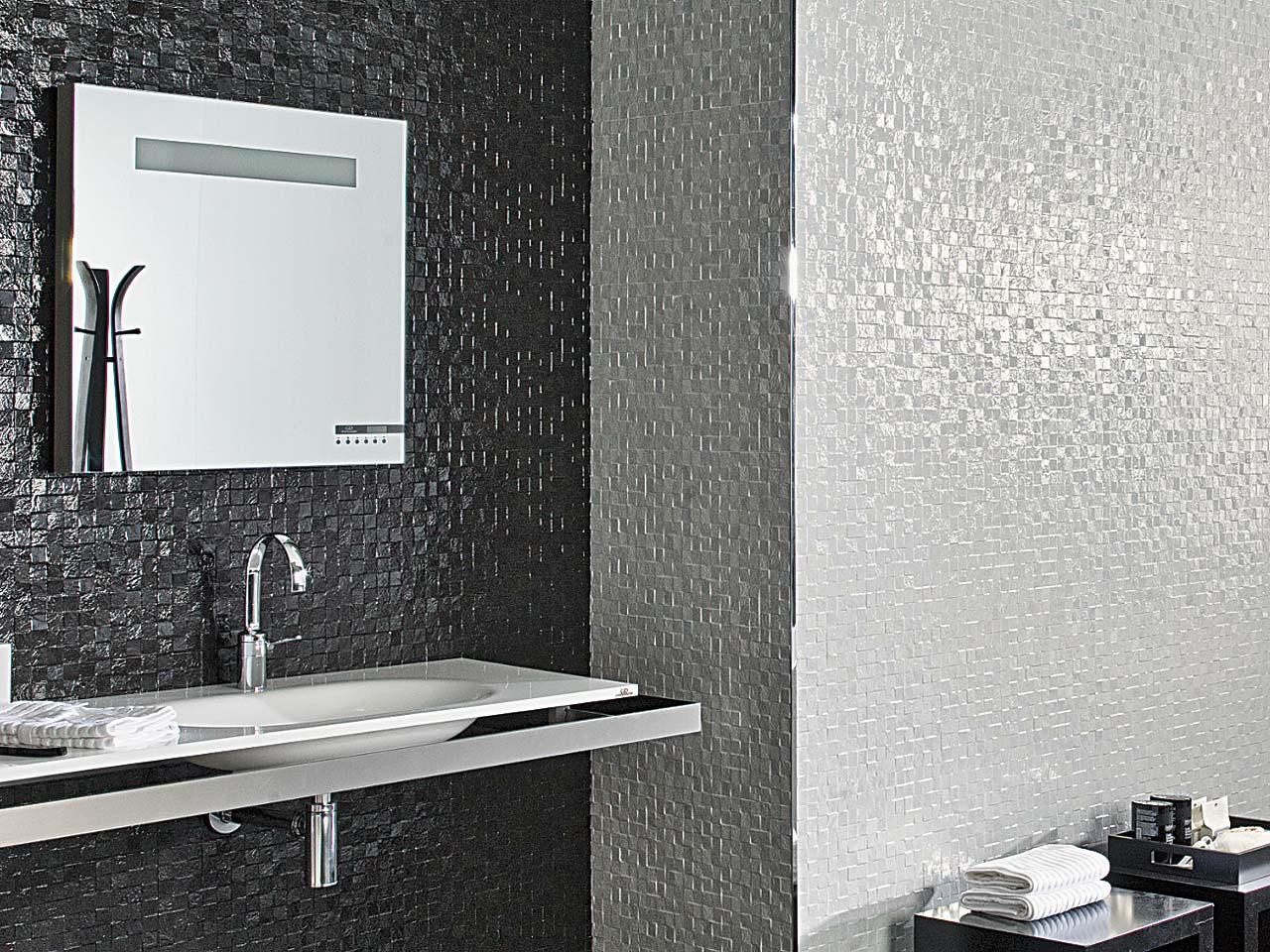
- Decorative mosaic feature walls.
- Contemporary stone-inspired surfaces.
- Coordinated wall tiles and flooring.
When selecting bathroom floor tiles, check the product’s suitability for wet areas and its slip-resistance performance. Do not assume that every matte or textured tile is automatically safe for wet flooring.
For shower areas, proper waterproofing beneath the tile is also important. A tile’s own water absorption characteristics do not replace the need for a correctly designed waterproofing system.
Design tip: Use coordinated wall and floor colours to create a balanced bathroom. You can introduce a decorative feature through a shower wall, niche or vanity backdrop.
Balcony and Outdoor Tiles – Select for Outdoor Conditions
Outdoor spaces require tiles that can handle the conditions of their environment.
Before choosing balcony, terrace or outdoor flooring, consider:
- Exposure to rain and sunlight.
- Slip resistance in wet conditions.
- Temperature changes.
- Expected foot traffic.
- Drainage and water management.
- Cleaning and maintenance requirements.
Select tiles specifically recommended by the manufacturer for the intended outdoor application. A tile suitable for indoor flooring should not automatically be assumed suitable for an exposed balcony or terrace.
3. Explore Different Types of Tiles
Understanding the different tile materials makes it easier to compare available options.
Porcelain Tiles
Porcelain tiles are known for their dense composition and low water absorption. Under the recognised definition used by the Tile Council of North America, porcelain tiles have water absorption of 0.5% or less.
They are available in a wide range of colours, patterns and finishes, including marble-look, stone-look and contemporary designs.
Potential applications include:
- Living room floors.
- Bedroom floors.
- Selected bathroom applications.
- Kitchen floors and walls.
- Selected commercial interiors.
Always check the specific product’s application rating and installation requirements.
Vitrified Tiles
Vitrified tiles are manufactured through a process that creates a dense tile body with relatively low porosity.
They are commonly considered for residential flooring and contemporary interior projects.
Some popular design options include:
- Glossy vitrified tiles.
- Matte vitrified tiles.
- Double-charge vitrified tiles.
- Full-body vitrified tiles.
- Polished glazed vitrified tiles.
The suitability of each type depends on its specifications, intended application and installation conditions.
Ceramic Tiles
Ceramic tiles are available in numerous colours, designs and decorative finishes.
They are commonly used for wall applications and selected flooring applications, depending on their technical ratings.
Popular ceramic tile designs include:
- Solid-colour tiles.
- Patterned tiles.
- Decorative wall tiles.
- Subway-style tiles.
- Geometric designs.
- Traditional and contemporary patterns.
Mosaic Tiles
Mosaic tiles are a creative way to introduce decorative detail into interiors.
They are available in various materials, colours, shapes and patterns.
Mosaic applications may include:
- Bathroom feature walls.
- Kitchen backsplashes.
- Decorative niches.
- Feature flooring.
- Swimming pool applications using suitable products.
- Accent walls and architectural details.
HEMNIL’s collections include mosaic options for distinctive interior surfaces.
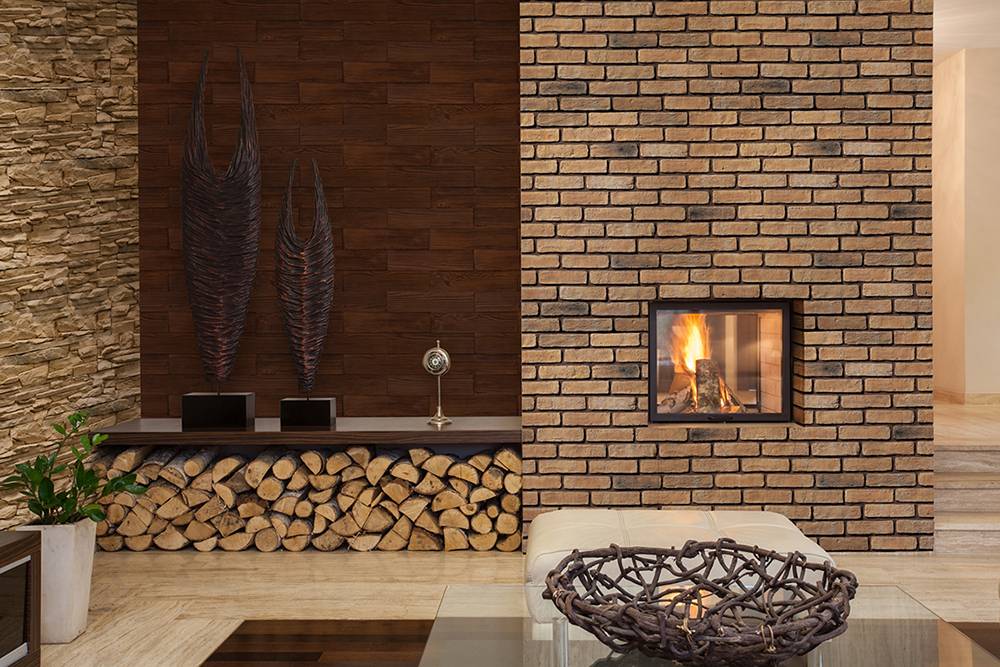
Natural Stone and Stone-Look Tiles
Natural stone and stone-inspired tiles can create an organic and elegant atmosphere.
They can complement luxury residences, contemporary homes and interiors inspired by natural materials.
Before selecting natural stone, consider its sealing, maintenance and care requirements. Stone-look ceramic or porcelain alternatives may provide a different maintenance profile, depending on the product.
Wood-Finish Tiles
Wood-finish tiles combine timber-inspired patterns with tile-based surface characteristics.
They can complement bedrooms, living rooms, selected outdoor areas and contemporary interiors.
Choose a finish and format that suit the room size and overall design.
4. Select the Perfect Tile Colour
Tile colour can influence how spacious, bright, warm or dramatic a room feels.
Here are some popular colour choices to consider.
White and Cream Tiles
White and cream tiles can create a bright, clean and spacious appearance. They are suitable for a wide range of interior styles.
Beige and Sand-Coloured Tiles
Beige and sand shades can create a warm and welcoming atmosphere. They complement wooden furniture, natural textures and neutral interiors.
Grey Tiles
Grey tiles are popular in contemporary and minimalist spaces. They work well with white walls, darker furniture and metallic accents.
Black and Dark Tiles
Dark tiles can introduce contrast and a bold appearance. They can be particularly effective in feature areas and selected modern interiors.
However, dust, water marks and some types of surface residue may be more visible depending on the finish.
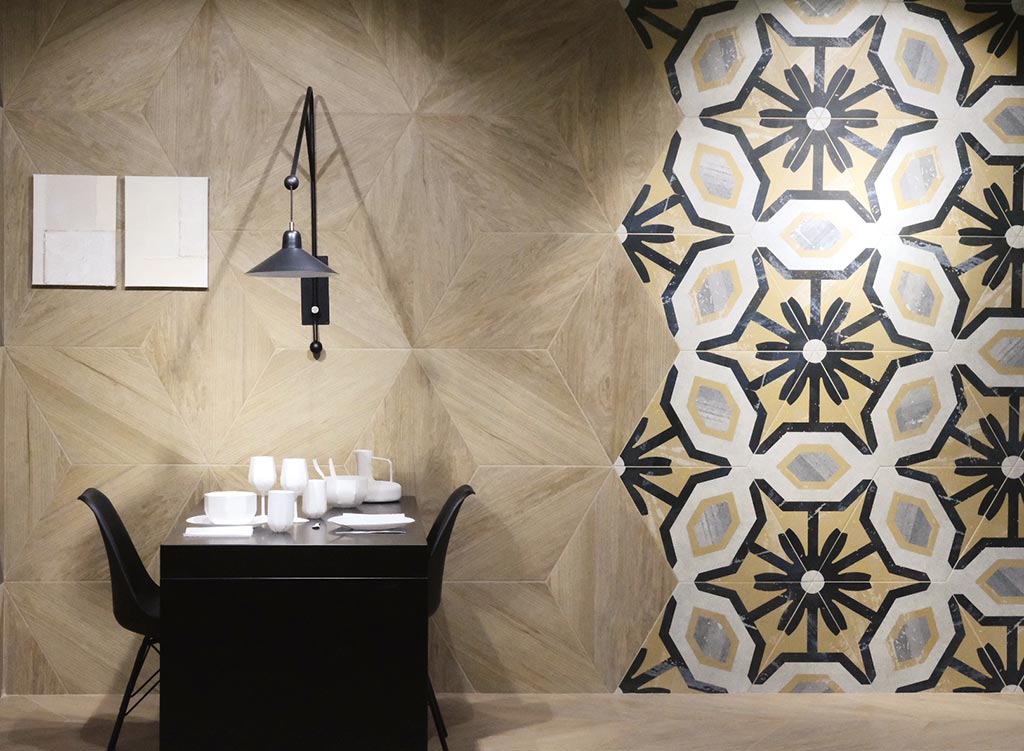
Patterned and Decorative Tiles
Patterned tiles can add personality and visual interest. Consider using them in selected areas instead of covering every surface with a strong pattern.
Design tip: Always inspect tile samples under the actual lighting conditions of your home. Artificial showroom lighting and natural daylight can make the same tile appear different.
5. Choose the Right Tile Finish
The tile finish influences appearance, maintenance and suitability for different applications.
Glossy Finish
Glossy tiles have a reflective surface that can make interiors feel bright and polished.
They are often considered for:
- Decorative walls.
- Living room feature areas.
- Bathroom walls.
- Selected interior flooring where appropriate.
Consider glare, cleaning requirements and wet-floor safety before using glossy tiles on floors.
Matte Finish
Matte tiles have a subtle, understated appearance.
They are often considered for:
- Contemporary interiors.
- Bedroom flooring.
- Living room flooring.
- Selected kitchen and bathroom applications.
Check the actual slip-resistance specifications rather than relying on the matte label alone.
Textured Finish
Textured tiles introduce additional surface detail and may provide improved grip in some applications.
They can be considered for selected bathrooms, balconies and outdoor spaces when the product specifications support the intended use.
Polished Finish
Polished surfaces create a refined, reflective appearance and can complement luxury interiors.
Consider their maintenance requirements, visibility of marks and suitability for the area before choosing them.
6. How to Select the Right Tile Size
Tile size can influence the visual appearance and proportions of a room.
Large-Format Tiles
Large-format tiles can create a continuous, sophisticated appearance with fewer grout joints.
They are often considered for:
- Spacious living rooms.
- Large bedrooms.
- Contemporary commercial interiors.
- Open-plan spaces.
Professional handling, substrate preparation and installation planning are especially important for large-format products.
Medium-Format Tiles
Medium-sized tiles provide flexibility for many residential applications.
They can be used in living rooms, bedrooms, kitchens and other areas when suitable for the application.
Small-Format Tiles
Smaller tiles offer opportunities for decorative patterns and detailed designs.
They can be considered for:
- Mosaic walls.
- Kitchen backsplashes.
- Decorative bathroom areas.
- Feature walls.
- Selected floor designs.
Rectangular Tiles
Rectangular formats can be arranged in different patterns, including straight, staggered and herringbone layouts where the product and installation system allow.
The right size depends on room dimensions, design preferences, grout-joint requirements and installation conditions.
7. Match Tiles with Your Interior Design Style
Your tile selection should complement the overall design of your home.
Modern Minimalist Interiors
Minimalist interiors often use simple colour palettes, clean lines and subtle surface textures.
Consider:
- Neutral porcelain tiles.
- Light grey surfaces.
- Large-format flooring.
- Simple decorative walls.
- Minimal grout contrast.
Contemporary Luxury Interiors
For a sophisticated interior, consider marble-look tiles, premium porcelain surfaces, carefully selected mosaics and coordinated decorative materials.
Balance statement finishes with simpler surfaces to avoid an overcrowded appearance.
Traditional Interiors
Traditional interiors can incorporate warm tones, decorative patterns, natural stone-inspired surfaces and classic tile designs.
Choose patterns that complement the furniture and architectural details.
Natural and Earthy Interiors
Wood-look tiles, stone-inspired finishes, beige colours and natural textures can create a warm and relaxed atmosphere.
Combine them with appropriate furniture, soft lighting and complementary wall finishes.
8. Important Factors to Check Before Buying Tiles
A tile may look beautiful in a photograph, but its technical suitability is equally important.
Before finalising your purchase, consider the following.
Water Absorption
Water absorption indicates how much moisture a tile can absorb. Porcelain tiles are generally classified as having water absorption of 0.5% or less under recognised industry definitions.
Review the manufacturer’s technical information and select products according to the intended environment.
Slip Resistance
For floors that may become wet, check the tile’s tested slip-resistance information and whether it is appropriate for the intended use.
Durability and Wear
Consider the expected traffic and usage. Select flooring products with specifications appropriate for the environment.
Tile Dimensions
Check the actual dimensions, thickness, calibration and edge finish.
Maintenance
Understand the cleaning products and maintenance methods recommended by the manufacturer.
Installation Requirements
Ask about suitable adhesives, grout, substrate preparation and movement joints.
Batch and Shade Variation
Tiles can have intentional variations in colour, texture and pattern. Check the shade and batch information before ordering enough material for the project.
These technical considerations can help reduce installation problems and support a better long-term result.
For further technical guidance, refer to the Tile Council of North America’s porcelain tile guide.
9. How to Calculate the Number of Tiles Required
Estimating the tile quantity before purchasing can help you plan your budget and reduce unnecessary material shortages.
Follow these steps:
Step 1: Measure the area
Measure the length and width of the floor or wall.
Step 2: Calculate the total area
For a rectangular room:
Area = Length × Width
For example, if a room is 12 feet long and 10 feet wide:
12 × 10 = 120 square feet.
Step 3: Add an allowance for wastage
Include additional tiles for cutting, breakage, layout patterns and future replacements.
The allowance depends on the room layout, tile size, installation pattern and number of cuts. Ask your installer or supplier to calculate the appropriate quantity.
Step 4: Confirm the coverage per box
Check how many square feet are covered by one box of the selected tile.
Step 5: Calculate the required boxes
Divide the total required area, including the wastage allowance, by the coverage per box. Round up to the next whole box.
For larger projects, ask a professional installer or tile supplier to verify the measurements before ordering.
10. Why Choose HEMNIL Tiles Studio for Your Tile Selection?
Choosing the right tile collection is easier when you can compare different designs, materials, finishes and applications.
HEMNIL Tiles Studio brings together curated tile and interior surface collections for homeowners, architects, interior designers and commercial projects.
The collection includes options across several categories:
- Premium and designer floor tiles.
- Wall tiles.
- Porcelain and vitrified tiles.
- Decorative mosaic surfaces.
- Imported and distinctive tile designs.
- Wallpapers and murals.
- Cladding and bricks.
- Glass blocks.
- Wash basins and other selected interior materials.
Whether you are renovating a single room, designing a new residence or planning a commercial interior, you can explore different surface options and enquire about suitable collections.
The HEMNIL team can help you discuss design preferences, colours, finishes and product requirements.
Explore the HEMNIL Products Collection to discover available categories.
11. Final Checklist Before Selecting Your Tiles
Before placing your order, use this simple checklist:
- Decide where the tiles will be installed.
- Measure the area accurately.
- Select a suitable material and product rating.
- Compare colours, patterns and finishes.
- Check slip resistance for relevant floor areas.
- Review water absorption and technical specifications.
- Inspect samples under your actual room lighting.
- Confirm the tile dimensions and box coverage.
- Calculate the quantity, including an appropriate wastage allowance.
- Confirm installation, delivery and maintenance requirements.
Taking these steps can help you select tiles that complement your interior design while meeting the practical needs of your space.
Conclusion: Find Your Perfect Match with HEMNIL Tiles Studio
The right tiles can transform the look and feel of your home. From elegant living room flooring and warm bedroom surfaces to practical kitchen tiles and beautiful bathroom designs, every selection contributes to the overall character of your interior.
The best choice is not simply the most expensive or fashionable tile. It is the product that combines your preferred appearance with suitable performance, maintenance requirements and installation conditions.
Take time to compare tile materials, colours, finishes and sizes. Explore samples, review product specifications and consider how each surface will work with your furniture, lighting and architectural style.
If you are planning a new home, renovation or interior design project in Bangalore, explore the collections at HEMNIL Tiles Studio.
Discover premium and designer tiles that help bring your interior vision to life.
Visit HEMNIL Tiles Studio
Website: https://www.hemnil.com/
Address: #7/21, Ground Floor, Sankey Road, Lower Palace Orchards, Sadashivanagar, Bengaluru – 560003, India.
Phone: +91 9148373070
Email: hemnilstudio@gmail.com
Frequently Asked Questions About Choosing the Right Tiles
1. How do I choose the right tiles for my home?
Start by identifying the room where the tiles will be installed. Consider the material, colour, finish, size, foot traffic, moisture exposure, maintenance and overall interior design before selecting a product.
2. Which tiles are best for living room flooring?
Porcelain, vitrified and suitable large-format tiles are popular options for living room flooring. The final choice depends on the product specifications, room layout, expected traffic and preferred appearance.
3. Which tiles are suitable for bathrooms?
Choose tiles specifically rated for bathroom applications. Pay particular attention to wet-floor slip resistance, moisture management, cleaning and waterproofing requirements.
4. Are porcelain tiles suitable for modern homes?
Porcelain tiles are popular in modern residential interiors because they are available in different sizes, colours, patterns and finishes. Their low water absorption makes many products suitable for a range of applications, subject to manufacturer specifications.
5. What is the difference between ceramic and porcelain tiles?
Both are ceramic-based products, but porcelain tiles have a defined water absorption of 0.5% or less under recognised standards. Other ceramic tiles may have higher absorption. Check the manufacturer’s classification and recommended applications.
6. Which tile colour makes a room look bigger?
Light colours such as white, cream and beige can help create a brighter and more spacious appearance, depending on the lighting, layout and surrounding finishes.
7. Are large-format tiles a good choice for living rooms?
Large-format tiles can create a seamless appearance with fewer grout lines. They require appropriate substrate preparation, handling and professional installation.
8. How many extra tiles should I buy?
The required additional quantity depends on the room layout, cutting requirements, tile size and installation pattern. Ask your supplier or installer to calculate an appropriate wastage allowance and consider keeping spare tiles from the same batch.
9. How can I choose tiles that match my furniture?
Start with the dominant colours of your furniture, walls and curtains. Choose complementary tile shades and finishes. Neutral flooring can provide flexibility, while decorative tiles can introduce a focal point.
10. Where can I explore premium and designer tiles in Bangalore?
You can explore tile and interior surface collections at HEMNIL Tiles Studio through its official website, https://www.hemnil.com/. Contact the studio to enquire about current collections, product specifications and showroom details.