The Rise of Maximalism: Bold Tile Designs That Transform Modern Interiors
For years, minimalist interiors dominated modern home design, with neutral colours, simple furniture and understated surfaces taking centre stage. Today, more homeowners and interior designers are exploring a different approach: maximalism.
Maximalist interior design celebrates individuality, creativity and self-expression. It brings together rich colours, striking patterns, decorative details and contrasting textures to create spaces with personality.
One of the most exciting ways to introduce this style is through tiles. From colourful geometric patterns and decorative mosaics to bold marble-inspired surfaces and textured wall finishes, designer tiles can transform ordinary floors and walls into artistic features.
Whether you are designing a contemporary apartment, renovating a luxury home, upgrading a bathroom or creating an attractive commercial space, bold tiles can help you make a memorable statement.
At HEMNIL Tiles Studio, we believe that surfaces should reflect the character of a space. Our curated collections of premium tiles, decorative mosaics, wallpapers and designer surfaces offer inspiration for people who want something beyond ordinary interiors.
Let’s explore how you can bring the beauty of maximalism into your home with bold tile designs.
What Is Maximalist Interior Design?
Maximalism is an interior design approach that celebrates expressive combinations of colours, patterns, materials and decorative elements.
Unlike minimalism, which focuses on simplicity and restraint, maximalism allows greater freedom to experiment with different design styles.
However, maximalism does not mean filling every corner with random colours and patterns. A well-designed maximalist interior is carefully composed, with selected statement elements working together to create a visually rich but balanced environment.
Some defining features include:
- Vibrant and saturated colours
- Geometric and decorative patterns
- Contrasting tile finishes
- Artistic mosaic arrangements
- Rich natural stone-inspired surfaces
- Textured walls and decorative details
- Layered materials and complementary furniture
Tiles are particularly useful for this style because they offer an extensive range of colours, shapes, patterns, finishes and sizes.
Why Are Bold Tiles Becoming Popular?
Tiles are no longer viewed only as practical floor and wall coverings. They are increasingly being used as important decorative elements in interior design.
Bold tiles allow homeowners to introduce personality without completely changing the architecture or furniture of a room.
1. They Express Individuality
Every home has its own character. Some homeowners prefer subtle elegance, while others enjoy vibrant colours and artistic details.
Bold tiles allow you to reflect your preferences through your choice of patterns, shapes and finishes.
A colourful kitchen backsplash, a patterned entrance floor or an artistic bathroom wall can become a reflection of your personal style.
2. They Create Strong Visual Focal Points
A carefully selected statement tile can immediately attract attention.
For example, a decorative mosaic behind a bathroom vanity or a geometric feature floor in an entrance can become the central design element of the room.
This approach is particularly effective when the surrounding surfaces are kept relatively simple.
3. They Bring Colour into Modern Interiors
Modern homes often use neutral colours such as white, grey and beige. Bold tiles offer an opportunity to introduce richer shades such as emerald green, navy blue, terracotta, burgundy and deep teal.
These colours can create warmth, contrast and visual depth.
4. They Combine Different Design Styles
Maximalist interiors can bring together contemporary geometry, traditional-inspired patterns, natural stone textures and artistic surfaces.
The key is to establish a shared colour palette or design theme so that the different elements feel connected.
10 Bold Tile Ideas to Create a Maximalist Interior
Here are ten ways to use expressive tile designs to create distinctive interiors.
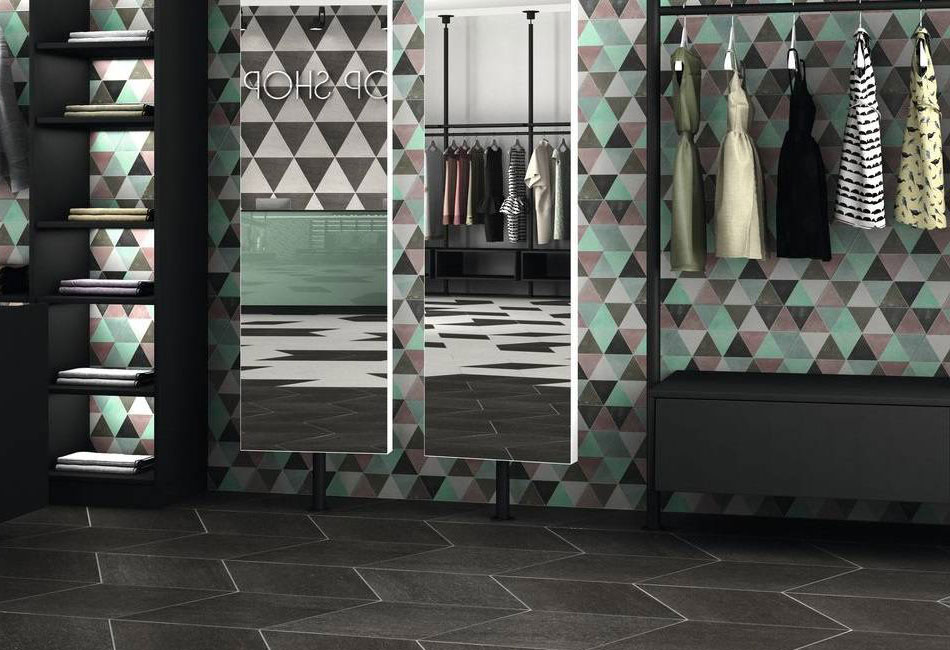
1. Colourful Geometric Tiles for Contemporary Spaces
Geometric tiles are an excellent choice for homeowners who enjoy modern patterns and strong visual compositions.
Shapes such as hexagons, diamonds, chevrons and repeating geometric arrangements can introduce movement and structure into a room.
Consider combining contrasting colours or using geometric patterns within a defined area.
Where to use them:
- Entrance floors
- Kitchen backsplashes
- Bathroom feature walls
- Decorative floor sections
- Commercial reception areas
Design tip: Choose one dominant geometric pattern and coordinate it with simpler surrounding surfaces. This allows the pattern to stand out without overwhelming the room.
2. Decorative Mosaic Tiles for Artistic Walls
Mosaic tiles are one of the most versatile options for expressive interiors.
Their smaller pieces allow designers to experiment with intricate arrangements, colour transitions, artistic patterns and decorative details.
Depending on the material and design, mosaics can create anything from subtle elegance to a dramatic statement.
Where to use them:
- Bathroom feature walls
- Kitchen backsplashes
- Shower niches
- Decorative borders
- Swimming pools with appropriately approved products
Design tip: Use a decorative mosaic as the main feature and pair it with a complementary plain tile. This creates contrast while keeping the overall design coordinated.
Explore the HEMNIL Mosaic Collection for more decorative surface inspiration.
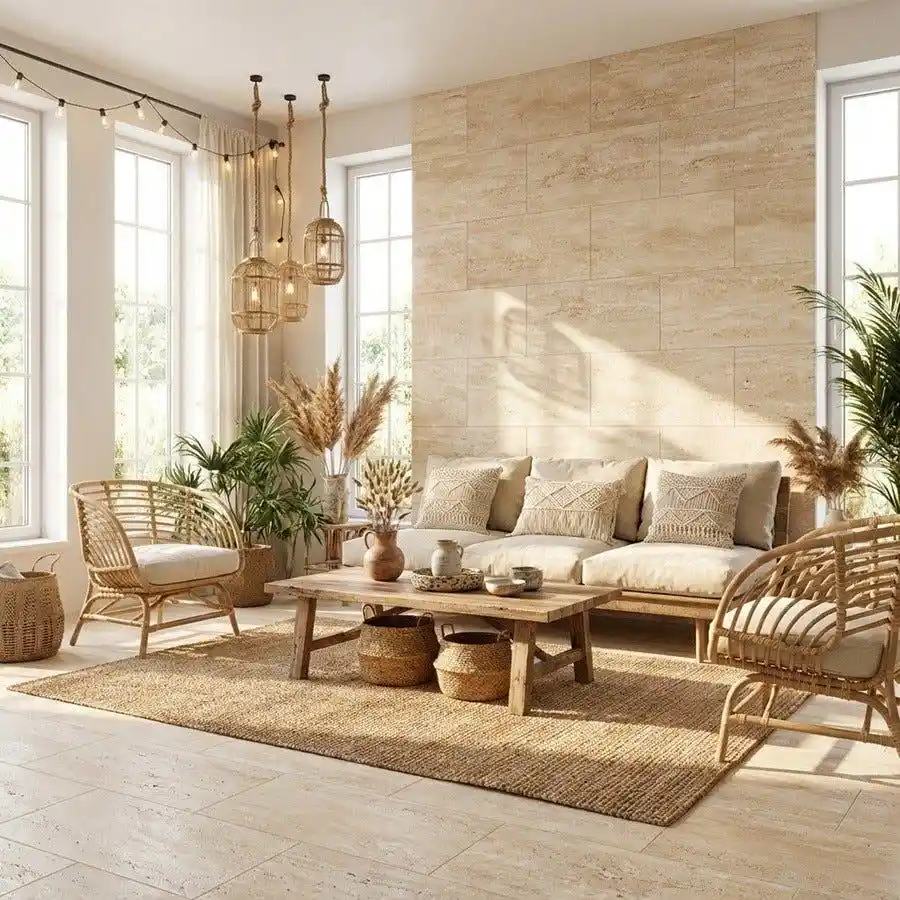
3. Bold Marble-Look Tiles for Dramatic Interiors
Marble-inspired tiles can introduce dramatic movement and rich natural patterns into a maximalist interior.
Rather than choosing only subtle white and grey designs, consider stone-inspired patterns featuring deeper veining, contrasting shades and expressive details.
Where to use them:
- Living room feature walls
- Luxury bathroom walls
- Hotel reception areas
- Dining spaces
- Selected commercial interiors
Design tip: Allow the marble-inspired surface to lead the room. Coordinate furniture, lighting and accessories with selected colours from the tile pattern.
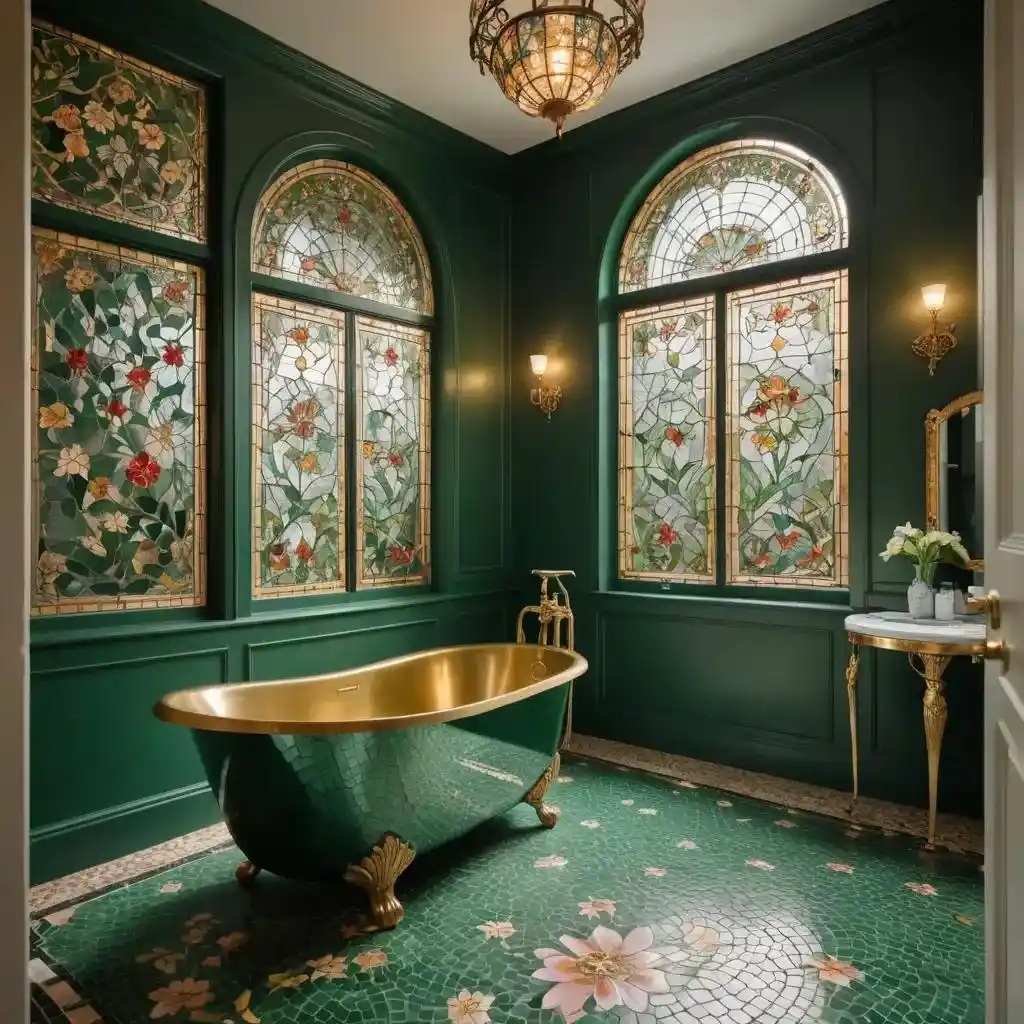
4. Rich Jewel-Tone Tiles for Colourful Spaces
Deep and saturated colours can create a sophisticated maximalist atmosphere.
Emerald green, sapphire blue, deep teal, burgundy and rich terracotta are examples of colours that can bring personality to a space.
These shades work particularly well when used as a carefully planned feature rather than being introduced randomly throughout the room.
Where to use them:
- Bathroom vanity walls
- Kitchen backsplashes
- Bar counters
- Powder rooms
- Decorative feature areas
Design tip: Combine jewel-tone surfaces with warm metallic details, natural wood or neutral stone-inspired materials for a balanced finish.
5. Moroccan-Inspired Tiles for Artistic Character
Moroccan-inspired tile designs are known for their decorative patterns, intricate details and distinctive colour combinations.
They can introduce an artistic atmosphere into both traditional and contemporary interiors.
Depending on the design, these tiles may feature floral motifs, geometric arrangements, star patterns and decorative borders.
Where to use them:
- Kitchen walls
- Entrance areas
- Courtyard features
- Bathroom accent walls
- Hospitality interiors
Design tip: Use Moroccan-inspired patterns in a defined area, such as a backsplash or entrance floor. Coordinate the surrounding surfaces with one or two colours from the pattern.
6. Patterned Floor Tiles for Statement Entrances
The entrance is one of the first areas visitors experience when entering a home.
A patterned floor can create an immediate impression and establish the design direction for the rest of the interior.
Consider decorative geometric tiles, heritage-inspired patterns or contrasting monochrome designs.
Where to use them:
- Main entrance foyers
- Hallways
- Courtyard areas
- Selected dining spaces
- Boutique commercial entrances
Design tip: Create a patterned central area with a plain surrounding border. This gives the floor a composed appearance and helps define the entrance.
7. Textured Tiles for Layered Interiors
Maximalist design is not only about colour and patterns. Texture is equally important.
Textured tiles can create depth through raised details, natural-inspired surfaces, structured patterns and subtle relief.
They can complement decorative wallpaper, furniture fabrics, wood and metallic accents.
Where to use them:
- Living room feature walls
- Bedroom backdrops
- Reception areas
- Bathroom accent walls
- Decorative commercial interiors
Design tip: Use lighting to highlight the surface texture. Before selecting textured tiles for wet or frequently cleaned areas, check their suitability and maintenance requirements.
8. Bold Kitchen Backsplash Tiles
A kitchen backsplash offers an ideal opportunity to experiment with colour and pattern.
Instead of using a plain neutral surface, consider geometric tiles, colourful mosaics, decorative patterns or rich glazed-look designs.
A statement backsplash can bring personality into the kitchen without requiring every cabinet or countertop to be replaced.
Where to use them:
- Behind the cooking area
- Above kitchen countertops
- Around selected preparation areas
- Kitchen islands and serving counters, where suitable
Design tip: Coordinate the backsplash with cabinet colours, countertop materials and hardware. Check the selected tile’s cleaning, stain and heat suitability for its intended location.
9. Colourful Bathroom Tiles for Expressive Interiors
Bathrooms provide an opportunity to experiment with design in a more contained space.
Bold wall tiles can create an artistic atmosphere, particularly around the vanity, bathtub or shower area.
Consider combining colourful tiles with decorative mosaics or contrasting neutral surfaces.
Where to use them:
- Vanity feature walls
- Bathtub surrounds
- Shower walls
- Powder room walls
- Decorative niches
Design tip: Use expressive wall designs while selecting appropriate floor-rated tiles for wet floors. Confirm slip performance and application suitability instead of relying on appearance alone.
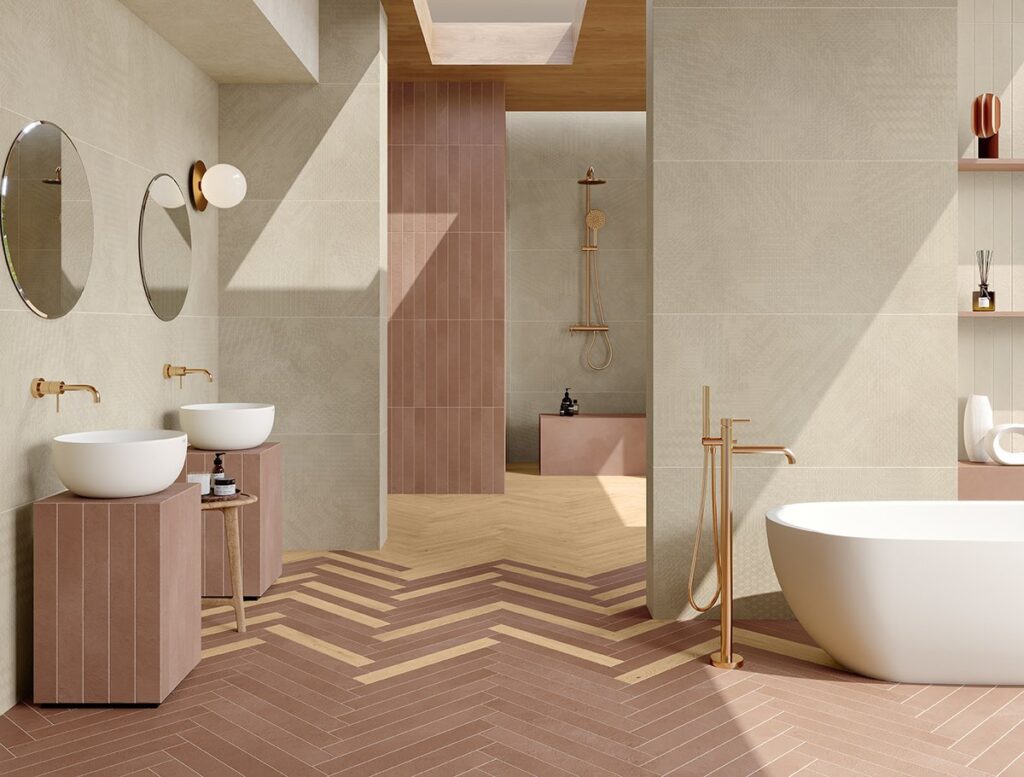
10. Mix-and-Match Tiles for an Eclectic Look
One of the most interesting elements of maximalism is the freedom to combine different patterns, colours and textures.
You can create a distinctive interior by pairing a patterned tile with a complementary plain tile, or combining different formats within a carefully planned design.
For example, a decorative mosaic wall can be paired with a large-format neutral floor. Alternatively, a geometric floor can complement a subtly textured wall.
Where to use them:
- Living rooms
- Bathrooms
- Kitchens
- Entrance areas
- Boutique retail and hospitality spaces
Design tip: Keep a common colour or material connection between the different tile styles. Vary pattern scale and leave some quieter surfaces so that the design feels intentional rather than crowded.
How to Combine Bold Colours and Patterns Without Overdoing It
Maximalist design encourages experimentation, but a successful interior still needs visual balance.
Here are practical ways to make different tile styles work together.
1. Start with a Colour Palette
Before selecting tiles, decide which colours will define the room.
You might choose emerald green with cream and brass accents, or terracotta with beige and warm brown.
A planned colour palette helps different materials feel connected.
2. Choose One Main Statement Surface
Decide which surface should attract the most attention.
It could be:
- A patterned floor
- A colourful kitchen backsplash
- A decorative mosaic wall
- A dramatic marble-look surface
- A full-height feature wall
Let this surface become the focal point and coordinate the remaining finishes around it.
3. Mix Different Pattern Scales
Combining patterns can create an interesting result, but patterns of similar scale may compete visually.
Try pairing a large-scale decorative pattern with a smaller geometric detail or a plain surface.
This creates layers without making every surface demand attention.
4. Balance Glossy and Matte Finishes
Different finishes can introduce depth into a maximalist interior.
For example, a glossy decorative wall tile can be balanced with matte flooring and natural wood furniture.
Always consider cleaning needs, lighting and the intended application when selecting finishes.
5. Use Neutral Surfaces for Breathing Space
A maximalist interior does not need to be colourful everywhere.
Plain surfaces can help decorative tiles stand out and give the eye a place to rest.
A combination of bold feature tiles and understated surrounding finishes often creates a more refined result.
Maximalist Tile Design Ideas for Different Rooms
| Room | Recommended bold tile style |
|---|---|
| Living room | Statement marble-look and textured feature tiles |
| Kitchen | Colourful geometric and mosaic backsplash tiles |
| Bathroom | Decorative mosaics and jewel-tone wall tiles |
| Bedroom | Artistic full-height feature wall tiles |
| Entrance | Patterned and geometric floor tiles |
| Dining area | Bold natural stone-inspired surfaces |
| Commercial space | Decorative mosaics and statement wall tiles |
| Outdoor courtyard | Suitable patterned and textured outdoor tiles |
The final selection should always reflect the room’s functional requirements as well as its appearance.
Is Maximalist Design Suitable for Indian Homes?
Yes. Expressive tile design can work beautifully in Indian homes when it is adapted to the architecture, climate, room dimensions and lifestyle of the occupants.
India has a long tradition of decorative architectural surfaces, colourful materials and intricate patterns. Contemporary maximalist design can draw inspiration from these traditions while incorporating modern materials and layouts.
For example:
- A patterned entrance floor can create a welcoming foyer.
- Decorative mosaics can introduce artistic detail into a bathroom.
- Rich green or blue tiles can create a striking kitchen backsplash.
- Terracotta-inspired colours can bring warmth to a contemporary living room.
- Geometric patterns can add personality to a modern apartment.
The important consideration is to balance decorative ambition with practical needs such as cleaning, moisture exposure, foot traffic and installation.
Why Explore Designer and Decorative Tiles at HEMNIL Tiles Studio?
Creating a distinctive maximalist interior begins with selecting surfaces that complement your design vision.
At HEMNIL Tiles Studio, we bring together premium and designer surface collections for homeowners, architects, interior designers and developers.
Our website features different surface categories, including:
- Premium and imported tiles
- Designer floor and wall tiles
- Decorative mosaic collections
- Cladding and brick surfaces
- Wallpapers and murals
- Glass blocks
- Metal pencil details
- Washbasins
- Pool tile collections
Whether you are planning a colourful kitchen, an artistic bathroom, a statement living room or a distinctive commercial space, HEMNIL can help you explore surface options for your project.
Explore the HEMNIL Products Collection and discover more about our designer tile collections.
Transform Your Home with Bold Tile Designs
Maximalism is about creating interiors that reflect personality, imagination and individuality.
From colourful geometric patterns and decorative mosaics to dramatic stone-inspired surfaces and textured walls, bold tiles offer many ways to make a space memorable.
You do not need to transform every room at once. Start with one feature wall, a decorative backsplash or a patterned entrance floor. Build the design around a considered colour palette and allow the selected surfaces to express your style.
If you are looking for premium and designer tiles in Bangalore, visit HEMNIL Tiles Studio and explore surface ideas for your next project.
HEMNIL Tiles Studio
#7/21, Ground Floor, Sankey Road, Lower Palace Orchards, Sadashivanagar, Bengaluru – 560003, India
Phone: +91 9148373070
Website: https://www.hemnil.com/
Frequently Asked Questions
1. What is maximalist tile design?
Maximalist tile design uses bold colours, decorative patterns, expressive textures and contrasting surfaces to create distinctive interiors. It focuses on individuality and carefully composed visual richness.
2. Which tiles are best for maximalist interiors?
Decorative mosaics, geometric tiles, patterned tiles, colourful surfaces, textured tiles and dramatic marble-look designs are all options for maximalist interiors.
3. Can bold tiles be used in small homes?
Yes. Bold tiles can work in smaller homes when used strategically. A patterned entrance floor, colourful backsplash or decorative bathroom wall can create a strong design statement without overwhelming the entire space.
4. How can I mix different tile patterns?
Start with a coordinated colour palette and vary the scale of the patterns. Pair one statement design with simpler surrounding surfaces to create balance.
5. Are colourful tiles suitable for modern kitchens?
Yes. Colourful tiles can be used for kitchen backsplashes and selected wall surfaces. Choose products with suitable cleaning and stain-resistance characteristics for the intended application.
6. Can mosaic tiles be used in bathrooms?
Many mosaic products are suitable for bathroom applications, depending on their material, finish and manufacturer’s recommendations. Check whether the particular product is approved for walls, floors or wet areas before installation.
7. Are patterned tiles suitable for living room floors?
They can be used as decorative floor surfaces when the product is specifically rated for floor use and is suitable for the expected foot traffic and maintenance requirements.
8. How do I make a maximalist room look elegant?
Use a planned colour palette, choose a main focal surface, vary pattern scale and balance bold tiles with simpler materials and coordinated furniture.
9. Where can I explore designer tiles in Bangalore?
You can visit HEMNIL Tiles Studio in Sadashivanagar, Bangalore, to enquire about premium and designer tile collections and explore options for your interior project.
10. Are maximalist tiles suitable for commercial interiors?
Yes. Decorative tiles can be used in hotel lobbies, restaurants, showrooms and retail spaces. Select products based on the project’s durability, cleaning, safety and installation requirements.