Luxury Interior Materials in Bangalore: A Complete Guide to Choosing Premium Finishes
Creating a refined interior involves more than choosing expensive-looking products. A well-designed space depends on how materials complement one another, how they respond to lighting and how effectively they meet the practical requirements of everyday use.
For homeowners, architects and interior designers searching for luxury interior materials in Bangalore, selecting the right combination of tiles, decorative wall surfaces, sanitaryware and other finishes is an important part of the design process. Each material contributes its own texture, colour, character and functionality to the finished space.
Whether you are designing a new home, renovating an apartment or planning a commercial interior, thoughtful material selection can help create a sophisticated and cohesive environment.
1. Start with a Clear Interior Design Concept
Before purchasing materials, establish the overall style you want to achieve. A clear design concept makes it easier to select products that work together throughout the property.
Contemporary and Minimalist Interiors
Contemporary interiors often feature clean lines, simple geometric forms and restrained colour palettes. Large-format tiles, neutral wall finishes and understated fittings can complement this style.
White, beige, grey and natural stone-inspired finishes are options to consider when creating a clean and balanced appearance.
Modern Luxury Interiors
Modern luxury interiors often combine carefully selected textures, coordinated colours and distinctive decorative elements. Marble-look tiles, metallic accents, premium-looking wall surfaces and complementary sanitaryware can contribute to this design approach.
The key is to balance statement materials with simpler surfaces so that the overall space feels harmonious rather than overcrowded.
Warm and Natural Interiors
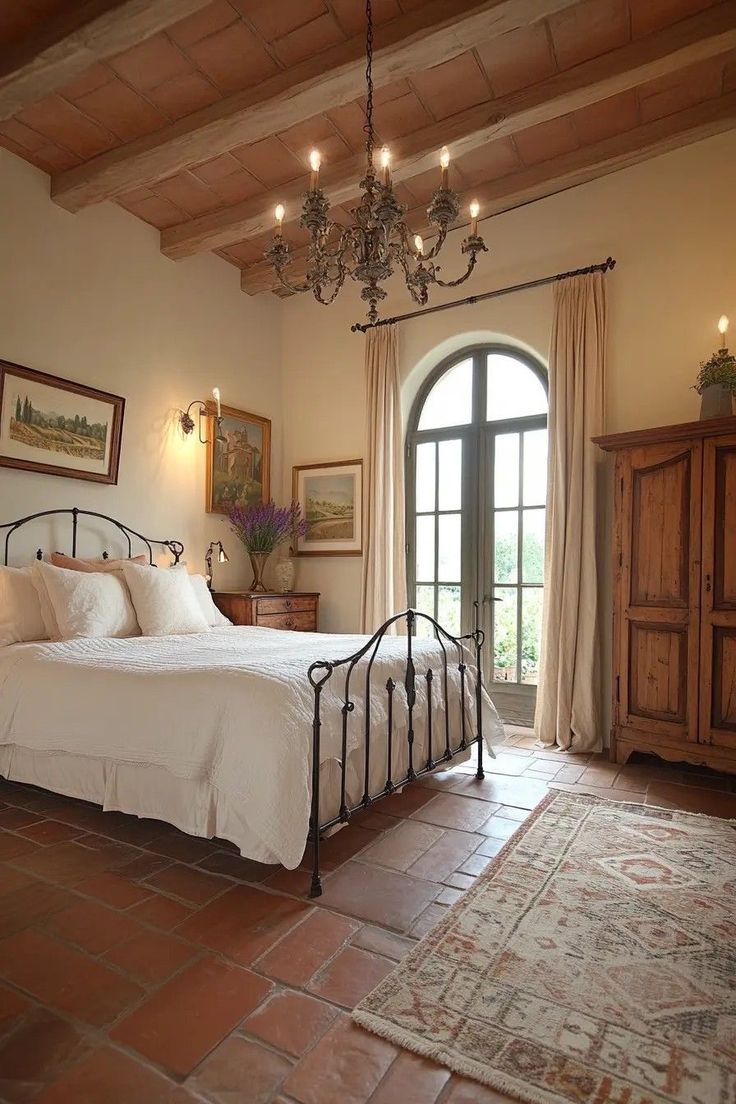
For a warmer atmosphere, consider wood-look tiles, earthy colours, textured wall finishes and natural stone-inspired patterns. These materials can complement wooden furniture, warm lighting and neutral fabrics.
Choose finishes that suit the intended space and review their maintenance requirements before making a final decision.
2. Choose Luxury Interior Materials According to the Room
Different rooms have different functional requirements. Selecting materials according to their intended application helps create interiors that are both attractive and practical.
Living Room Materials
The living room often establishes the visual character of the entire home. Flooring, wall finishes and decorative features should work together with furniture, curtains and lighting.
Large-format porcelain or vitrified tiles may be suitable options, depending on their specifications and the intended application. Marble-look tiles can introduce a sophisticated appearance, while neutral finishes may help maintain a timeless design.
When choosing living room floor tiles, consider the room dimensions, natural light, furniture layout, surface finish and cleaning requirements.
Bathroom Tiles and Sanitaryware
Bathrooms require careful coordination between tiles, wash basins, toilets, taps, shower fittings and vanity units.
Choose wall and floor tiles according to their intended use. For flooring in wet areas, review slip-resistance information and the manufacturer’s recommendations. For sanitaryware, confirm dimensions, plumbing compatibility and installation requirements.
Coordinating these elements before purchasing can help prevent mismatched finishes and unnecessary changes during installation.
Kitchen Tiles and Surface Finishes
Kitchen materials should be selected according to their exposure to moisture, heat, spills and regular cleaning.
Consider how the flooring, backsplash, countertops and cabinetry will work together. A patterned backsplash may provide a decorative accent when paired with simpler flooring, while neutral tiles can complement more prominent cabinet finishes.
Always check whether a product is suitable for its intended location, particularly near cooking appliances and other heat sources.
Bedroom Materials and Decorative Walls
Bedrooms benefit from a coordinated combination of flooring, wall finishes, wardrobes, lighting and soft furnishings.
Wood-look tiles, neutral porcelain tiles and selected decorative wall surfaces can complement a range of bedroom styles. Textured finishes or feature walls may add visual interest without requiring multiple competing patterns.
Consider the room’s lighting and furniture colours when choosing the final material palette.
Commercial Interior Materials
Offices, retail spaces, reception areas and hospitality interiors require materials that suit their expected level of use.
Before selecting products, review durability specifications, cleaning requirements, maintenance access and installation conditions. The visual design should support the intended function of the space while remaining practical for long-term use.
3. How to Combine Different Luxury Interior Materials
A cohesive interior does not require every surface to use the same material. Instead, the selected finishes should share a consistent design language.
Balance Statement Materials with Simpler Surfaces
If you choose a distinctive marble-look tile or decorative wall finish, consider pairing it with simpler surrounding surfaces. This allows the main feature to stand out without making the room feel visually crowded.
Coordinate Colours and Textures
Warm colours often work well with other warm-toned finishes, while cooler palettes can complement selected grey, white and metallic surfaces.
Texture also plays an important role. Smooth tiles can contrast with textured walls, while wood-look finishes can soften the appearance of stone-inspired surfaces.
Mix Matte and Glossy Finishes Carefully
Matte finishes can create a subtle, understated appearance, while glossy surfaces may reflect more light. Combining the two can introduce visual variation when their colours and applications are carefully planned.
For flooring, bathrooms and other functional areas, consider the product’s safety and maintenance specifications rather than choosing a finish based on appearance alone.
Consider Lighting Before Finalising Materials
Natural and artificial lighting can change how colours, textures and reflective surfaces appear. A tile that looks neutral under showroom lighting may appear warmer or cooler in a different environment.
Whenever possible, request samples and assess them under lighting conditions similar to those in the intended space.
4. Explore Different Types of Luxury Interior Materials
When planning a premium interior, several material categories may be worth comparing.
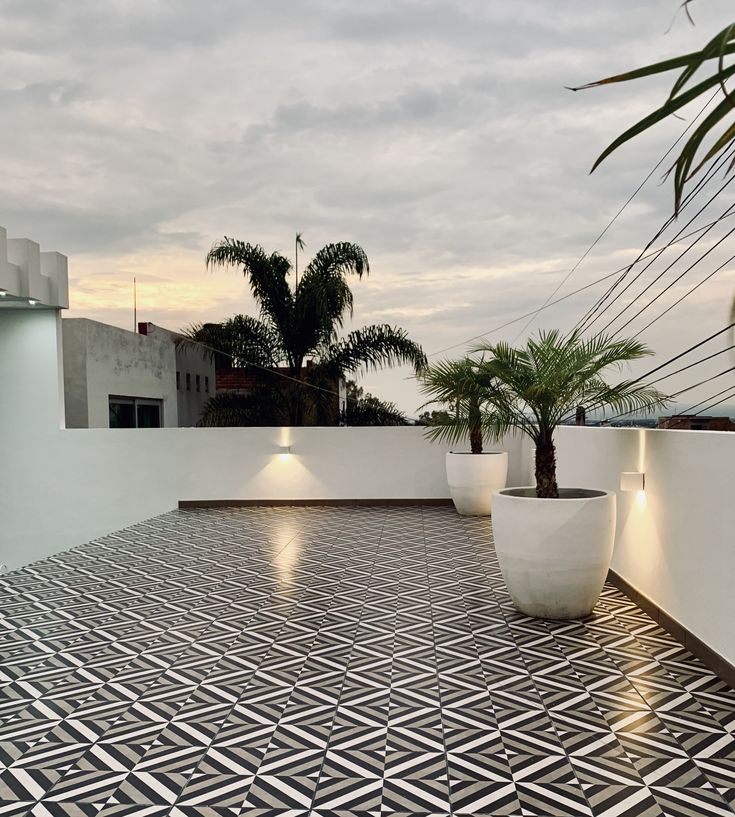
Premium and Designer Tiles: Available in a range of colours, sizes, patterns and finishes, tiles can be used for floors, walls and selected decorative applications. Suitability depends on the product specifications and intended use.
Marble-Look and Stone-Inspired Tiles: These designs can introduce the appearance of natural stone while offering product-specific maintenance and performance characteristics. Review the manufacturer’s specifications before choosing a product.
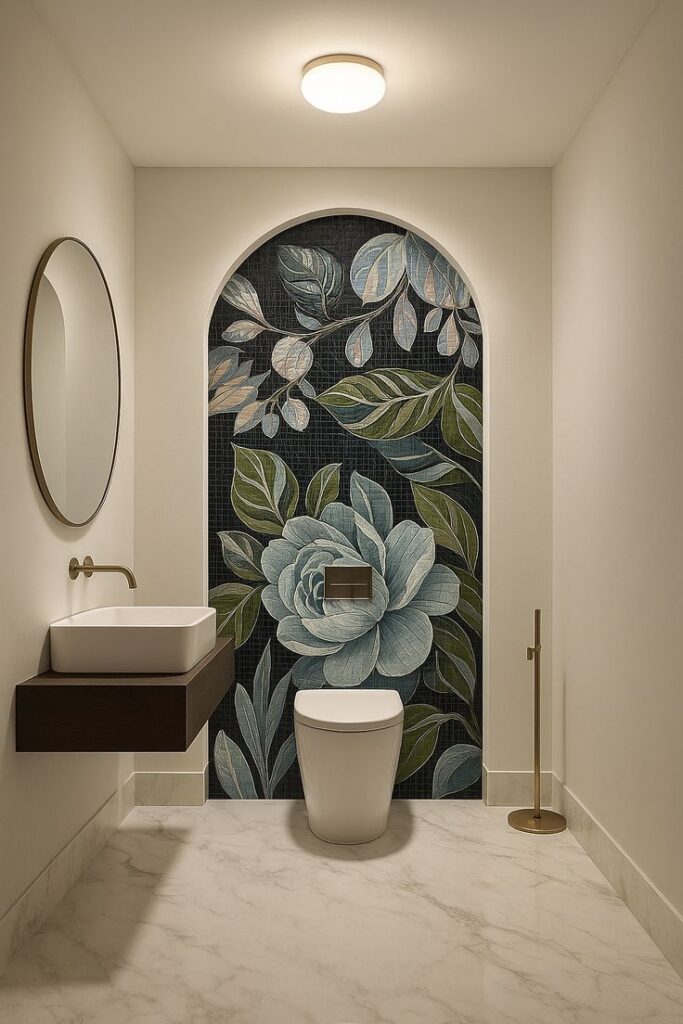
Decorative Wall Surfaces: Textured, patterned and other decorative wall materials can create feature areas in living rooms, bedrooms and selected commercial interiors.
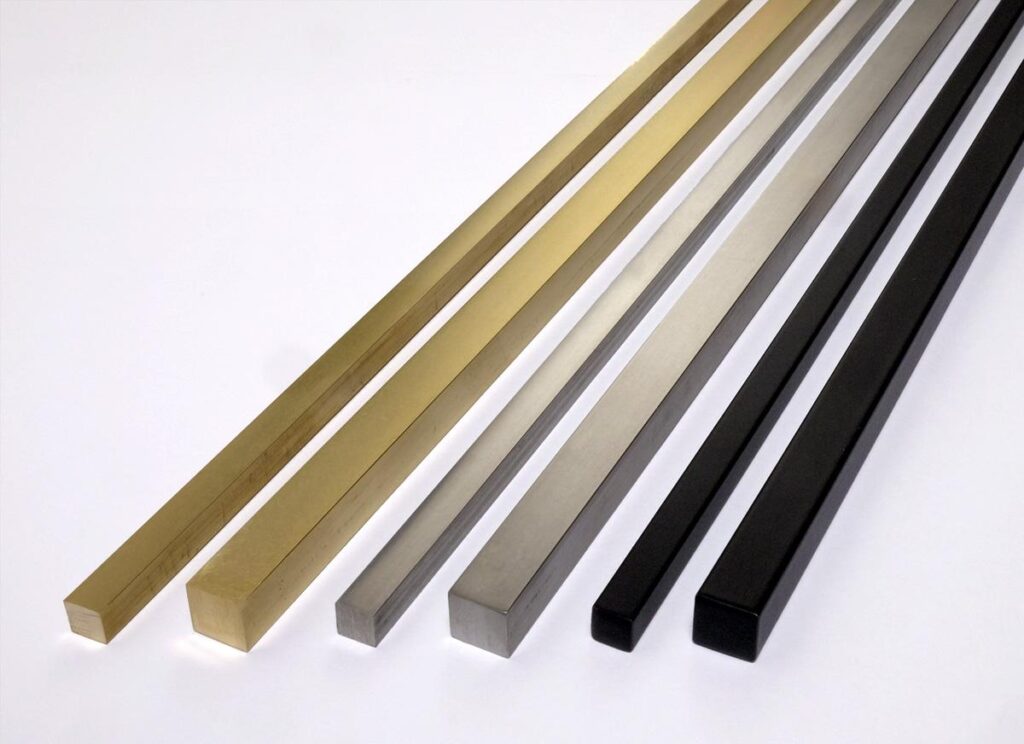
Metal Mosaic Tiles: Metallic mosaics may provide a distinctive accent for suitable decorative walls and backsplashes. Confirm the actual material composition and its suitability for the intended environment.
Luxury Sanitaryware: Wash basins, toilets and other bathroom fixtures should be selected according to dimensions, plumbing compatibility, installation requirements and the overall design.
The most suitable combination depends on your design objectives, budget, room conditions and maintenance expectations.
5. Check Product Quality and Technical Specifications
When comparing luxury interior materials in Bangalore, look beyond photographs and showroom displays. Product specifications provide important information about suitability and installation.
Before purchasing, review the following details:
- Material composition, dimensions, thickness and surface finish.
- Recommended applications and environmental limitations.
- Installation methods, adhesives, grout and substrate requirements.
- Cleaning instructions and routine maintenance needs.
- Product availability and delivery timelines.
- Manufacturer details, model numbers and warranty conditions.
- Compatibility with adjoining materials and fixtures.
For imported or branded products, verify the exact manufacturer and product model rather than relying on general descriptions.
Remember that a premium appearance does not automatically guarantee suitability for every application. Each product should meet the requirements of the space where it will be installed.
6. Plan Your Interior Budget Before Purchasing
A well-planned budget helps you compare products and reduce unexpected expenses during installation.
Start by measuring the areas where materials will be used and estimating the required quantities. Allow for appropriate cutting waste and replacement materials according to the layout and product recommendations.
Your budget should account for:
- Tiles and other surface materials.
- Decorative wall finishes and sanitaryware.
- Adhesives, grout and installation accessories.
- Plumbing fittings and related components.
- Transportation and delivery charges.
- Labour and installation expenses.
- Additional preparation or finishing work.
Confirm product dimensions, stock availability and delivery schedules before placing orders. This is particularly important when several materials need to be installed together or when a project has a fixed completion date.
7. Why Visit a Luxury Interior Materials Showroom in Bangalore?
A showroom visit can help you compare colours, textures, dimensions and finishes in person. It also provides an opportunity to review product samples and understand how different materials may work together.
Homeowners can explore options for individual rooms, while architects and interior designers can compare materials for larger residential and commercial projects.
When evaluating a showroom, consider the variety of available products, the clarity of technical specifications and the assistance provided during material selection.
For specific products, enquire about availability, intended applications, installation requirements and maintenance recommendations before finalising your purchase.
Conclusion: Create a Cohesive Interior with HEMNIL Tiles Studio
Successful luxury interiors combine thoughtful design with practical material selection. From premium floor tiles and decorative wall surfaces to metal mosaics and coordinated sanitaryware, each element should complement the overall design while meeting the functional needs of the space.
Take time to compare product specifications, assess samples under suitable lighting and plan installation requirements before purchasing. A consistent colour palette, balanced textures and careful attention to detail can help create an interior that feels refined and well coordinated.
Explore HEMNIL Tiles Studio to enquire about available tile collections and interior material options for your next project in Bangalore.
Frequently Asked Questions
1. What materials are commonly used in luxury interiors?
Luxury interiors may incorporate premium tiles, marble-look surfaces, decorative wall materials, metal mosaics, sanitaryware and coordinated fittings. The most appropriate choices depend on the design concept, budget and intended application.
2. How can I make my home look luxurious without using too many materials?
Choose a consistent colour palette, select a few complementary finishes and focus on proportions, lighting and installation quality. Using one or two statement materials alongside simpler surfaces can create a balanced appearance.
3. Should all rooms use the same tiles?
No. Different rooms may require different tile materials and finishes. However, coordinating colours, patterns and design elements across adjoining spaces can help maintain a consistent interior style.
4. How do I choose luxury interior materials in Bangalore?
Start with your design concept and budget. Compare materials based on appearance, dimensions, specifications, maintenance requirements, installation needs and availability. Request samples when possible before making a final decision.
5. Are large-format tiles suitable for luxury interiors?
Large-format tiles can create a continuous appearance with fewer visible grout lines. Their suitability depends on the installation surface, room layout, handling requirements and product specifications.
6. What should I consider when selecting bathroom materials?
Review slip resistance, moisture suitability, cleaning requirements, plumbing compatibility and installation specifications. Coordinate the tiles, wash basin, toilet, taps and other fittings before purchasing.
7. Where can I explore luxury interior materials in Bangalore?
Visit the HEMNIL Tiles Studio website to enquire about available tile collections and suitable interior materials. Confirm current product availability and specifications directly with the business.