Natural-looking materials can bring texture and character to a bathroom. A stone wash basin may become a focal point because its surface, colour and shape can create a distinctive visual effect. Depending on the material and design, a stone basin may complement contemporary, rustic, minimalist or luxury-inspired interiors.
For anyone exploring a stone wash basin in Bangalore, it is important to understand the exact material, weight, installation requirements and maintenance needs. The term “stone basin” can describe products made from different natural stones or manufactured materials designed to resemble stone, and these should not be treated as interchangeable.
What Is a Stone Wash Basin?
A stone wash basin is a basin made from stone or another material described by the manufacturer as stone-based or stone-effect. Natural stone products can vary in colour, grain, texture and pattern, so individual pieces may not look identical.
Manufactured stone-effect products may have different characteristics from natural stone. Always check the product specification to establish the material, recommended use and care requirements.
Popular Stone Basin Design Ideas
1. Natural-textured basins
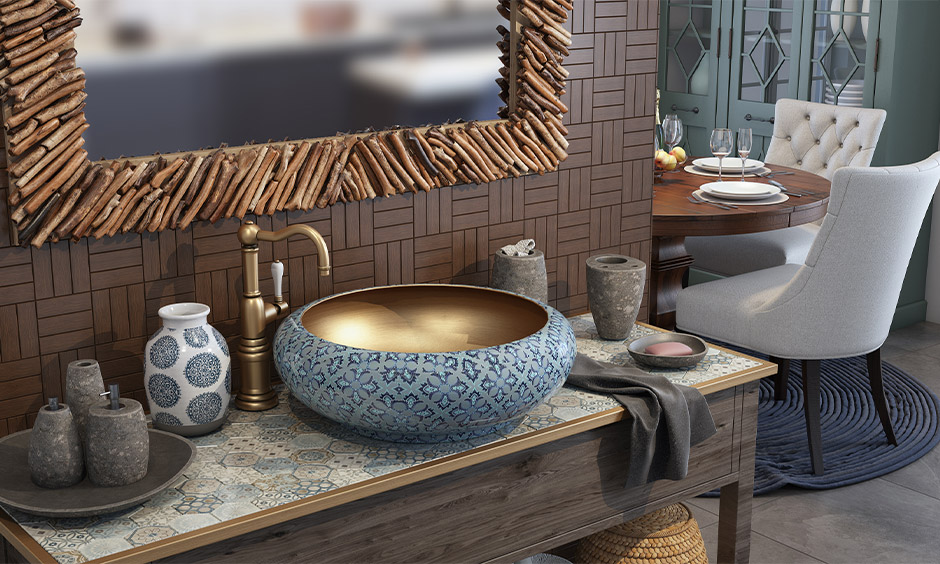
Some designs preserve a more pronounced natural appearance. Their texture and pattern can complement timber-look surfaces, neutral tiles and simple bathroom accessories.
2. Smooth stone basins
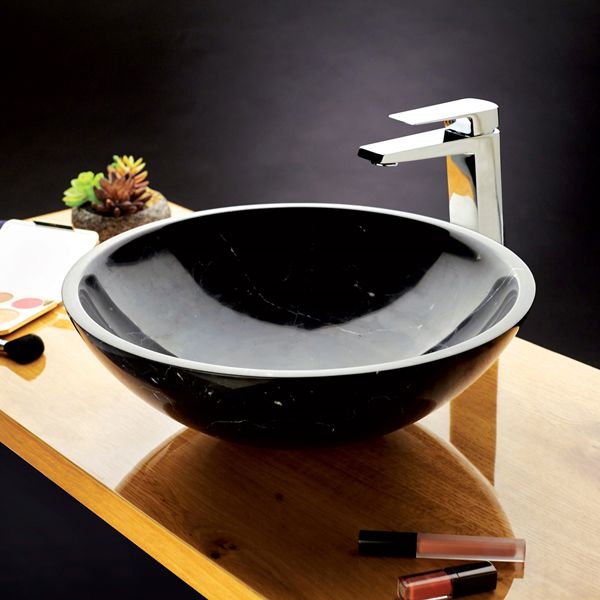
A smoother finish may provide a more refined look while retaining the material’s natural visual character. Ask about sealing and maintenance requirements for the particular stone.
3. Rounded stone vessel basins
A rounded vessel basin can create a sculptural focal point on a vanity. The countertop and tap should be selected to work with the bowl’s height and dimensions.
4. Rectangular stone basins
Rectangular forms may complement contemporary interiors with clean lines and geometric surfaces. Check the basin’s internal shape and cleaning access before choosing it.
5. Contrasting material combinations
A stone basin can be paired with wood-look cabinetry, neutral tiles or a contrasting countertop. The combination should be balanced so the basin remains integrated with the rest of the bathroom.
How to Choose a Stone Wash Basin
Confirm the material
Ask whether the basin is natural stone, a manufactured composite or a stone-effect product. This distinction affects how the basin should be installed, cleaned and maintained.
Consider the weight
Some stone basins can be considerably heavier than conventional ceramic models. The countertop, cabinet and mounting arrangement must be capable of supporting the selected product.
Check dimensions and tap compatibility
Measure the basin’s width, depth and height. Confirm whether the tap is mounted on the basin, countertop or wall, and make sure the water stream will enter the bowl appropriately.
Review surface protection
Some natural stones may require a specific sealant or periodic maintenance. Ask the supplier which treatments are required and whether they affect the appearance of the finish.
Coordinate with bathroom tiles
A textured or patterned basin can pair well with relatively simple tiles. If the bathroom already features strong tile patterns, a more restrained basin design may create better balance.
Stone Basins and Bathroom Maintenance
Stone products can have different sensitivities to moisture, staining and cleaning chemicals. Use only cleaning products approved for the specific material, and follow the manufacturer’s recommendations for sealing, drying and routine care.
Avoid assuming that all stone basins have the same porosity or maintenance needs. Even products that look similar can require different care.
Inspect the countertop and plumbing connections periodically, and ensure that water does not accumulate around the base of the basin.
Installation Considerations
Before installation, confirm the support requirements, waste outlet, trap compatibility and sealing method. If the basin is heavy, use a qualified installer who understands the product’s mounting requirements.
Ensure the countertop is level and adequately supported. Incorrect support can lead to movement, stress or damage.
Conclusion
A stone wash basin can bring a distinctive material character to a bathroom, but the right choice depends on its actual composition, weight, dimensions and maintenance requirements.
Explore HEMNIL to enquire about available basin collections and the specifications of individual products.
Frequently Asked Questions
1. Are stone wash basins made from natural stone?
Some are, while others may use manufactured materials or stone-effect finishes. Check the manufacturer’s product description before purchasing.
2. Do stone wash basins require sealing?
Some natural stone products may require sealing, while others have different care requirements. Follow the instructions for the exact product.
3. Are stone basins suitable for small bathrooms?
They can be suitable if the basin dimensions, weight and countertop support requirements fit the space.